
Agricultural Drones Queensland: A Regional Guide
Queensland's farming landscape is changing with agricultural drones leading the charge as prices drop and adoption rates climb
Our experience shows that these drones can help farmers in many areas, saving time and reducing labour across a range of applications, and we want to help you implement these tools on your Queensland farm. You'll learn how to comply with local regulations and identify the training and equipment needed to boost your farm's yields with drone technology.
Queensland’s Agricultural Landscape
Queensland is one of Australia’s most diverse agricultural states, producing a wide range of crops and livestock across climates ranging from tropical in the far north to subtropical and semi-arid in inland regions.

Key Crops and Distributions
Queensland’s agricultural output includes:
- Sugarcane concentrated along the coastal plains around Mackay, Bundaberg, and Cairns regions.
- Horticulture, including bananas, citrus, mangoes, and tropical fruits in the north.
- Grains and cotton in the Darling Downs and Western Downs.
- Livestock, particularly beef cattle grazing across the state’s vast properties.
These diverse enterprises create distinct use cases for drones — from detailed crop monitoring in irrigated fields to livestock management across broad grazing land.
Unique Challenges and Opportunities
Queensland farmers face some conditions that make drone technology particularly useful:
- Large land areas: Traditional field checks can take days, whereas drone surveys can take minutes.
- Remote regions: Drones provide aerial insights without needing crews on the ground.
- Rapidly changing conditions: From wet season rains to dry spells, drones help monitor stress and plan interventions early.
Current Technology Adoption Rates
While precise adoption rates are hard to pinpoint, agricultural drone use has been growing rapidly across Australia, with more agribusinesses using drones for crop monitoring, spraying, livestock tracking and land surveying — including early reported use of drones for cattle farm monitoring in western Queensland.
Ideal Drone Applications for Queensland Conditions
Drones aren’t just for hobbyists — they’re tools that can help you boost productivity when used strategically in Queensland’s varied agricultural conditions.
Queensland’s climate supports crops such as bananas, sugarcane, citrus, and tropical fruits, all of which benefit from the frequent, detailed insights drones provide.
Equipped with multispectral and NDVI sensors, drones can detect:
- Signs of nutrient stress
- Water stress or irrigation variability
- Early pest and disease indicators
This data helps farmers tailor inputs precisely, reducing waste and increasing yield.
Agricultural drones in Queensland are particularly well-suited to sugarcane production, where large fields make manual crop walks slow and expensive. Drones give you a way to monitor crops more frequently, helping you spot nutrient issues or diseases early. Crop mapping also supports better fertiliser and irrigation management, helping you make the best crop decisions.
Queensland’s beef industry is one of the largest in Australia, and there are plenty of uses for drones across vast grazing areas. Drones can assist in:
- Accurate stock counts and locating cattle across wide paddocks after storms
- Monitoring animal health remotely to help you spot signs of distress early
- Fence and water point inspection without travelling long distances on ground vehicles.
- Identifying overgrazed or undernourished areas.
Even simple aerial flights help farmers maintain oversight on large cattle properties, improving safety and efficiency.
The ability to rapidly scan fields from the air gives producers a head start on pest and disease issues. Drones equipped with thermal, RGB, and multispectral cameras can spot stressed plants, often the first sign of a deeper problem.
Drones can support:
- Detection of early pest infestations
- Identification of disease-stressed crops
- Targeted chemical application
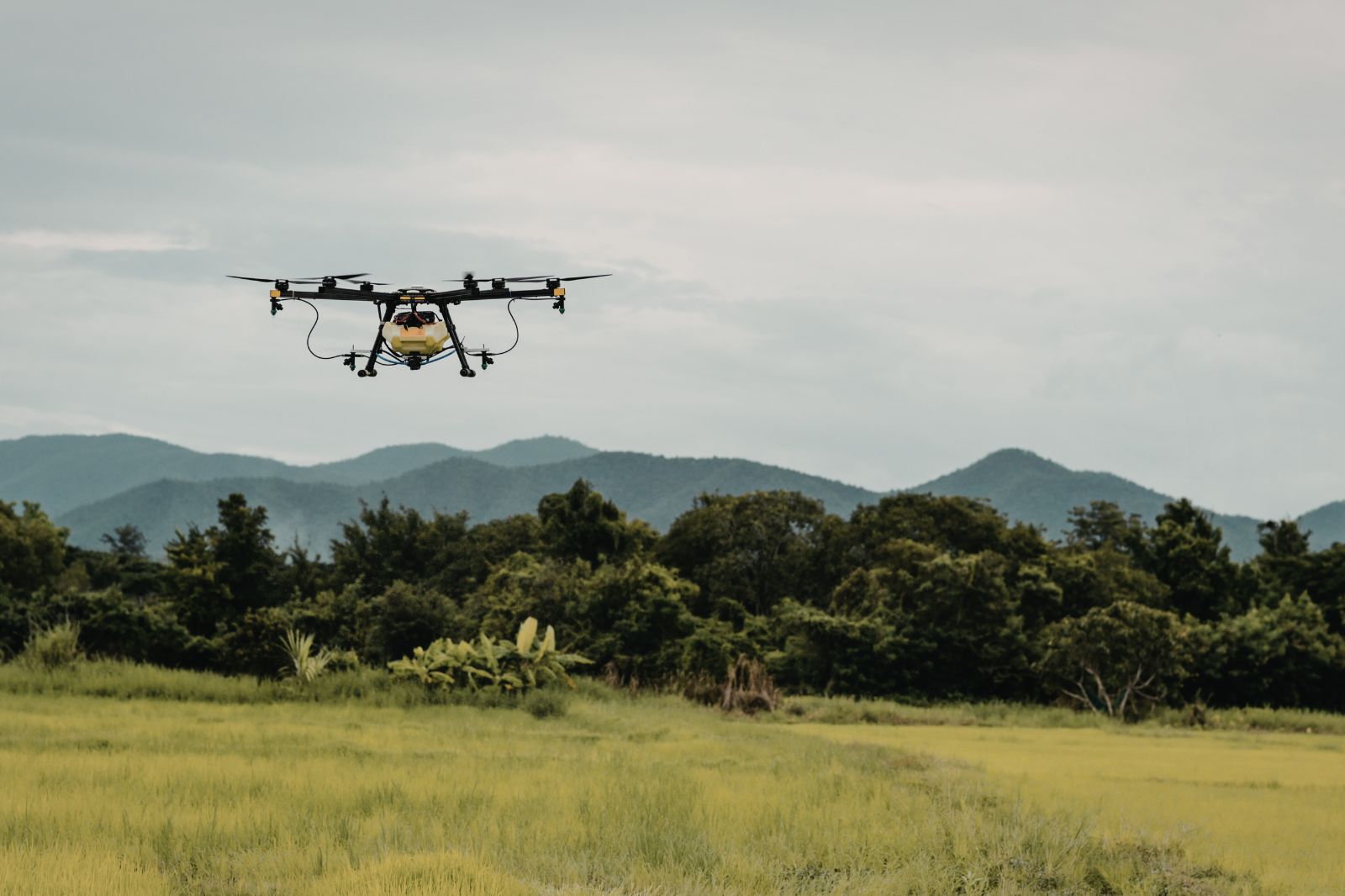
Rather than blanket spraying entire fields, targeted drone spraying can reduce input costs, lessen environmental impact, and minimise stress on crops.

Weather and Environmental Considerations
Queensland's tough climate creates unique challenges for agricultural drone operators. The mix of tropical humidity and scorching heat means you need to know how to keep your equipment running smoothly in these conditions.
Heat Management for Equipment
The Queensland sun creates more challenges for drone operators. High heat means that battery efficiency and flight time drop. Batteries work best between 15°C and 35°C - outside this range, their performance falls off faster.
Early morning flights help you dodge heat-related issues. Keep batteries in the shade during field work, and let your equipment cool down completely between flights. Smart equipment management in Queensland's tough weather conditions helps you get the most out of your drones and the data they collect for your farm operations.
Queensland Regulatory Considerations
Queensland's agricultural drone operators must navigate some regulatory frameworks. These rules protect everyone and help you avoid hefty penalties while making the best use of drone technology.
Drone operations must follow the Civil Aviation Safety Regulations 1998. In Australia, the Civil Aviation Safety Authority (CASA) sets overarching drone operating rules for safety. For commercial use, including agricultural flights, operators typically must:
- Hold a Remote Pilot Licence (RePL) and aircraft Type endorsement if you are flying a drone over 25kg.
- Register commercial drones
- Keep drones within visual line of sight unless authorised
These rules apply everywhere in Australia, including Queensland, and protect both operators and the public.
If a drone is being used to spray pesticides, herbicides, or other agricultural chemicals, additional regulations apply. This activity is treated as aerial chemical application and requires specific approvals separate from standard drone licensing.
Operators must ensure that any chemical used is approved and registered with the Australian Pesticides and Veterinary Medicines Authority. Chemicals must also be used strictly in line with their label instructions, including application rates and methods.
Aerial spraying cannot be carried out everywhere. There are controls and restrictions depending on the location, particularly in areas such as:
- Near waterways or water catchments
- Close to residential properties or public spaces
- Environmentally sensitive or protected areas
Operators must assess each site before spraying to ensure compliance with local regulations and minimise environmental impact.
Even with advanced drone technology, the responsibility ultimately sits with the operator or pilot in command.
Operators are required to ensure:
- Chemicals are used legally and appropriately
- Weather conditions are suitable to prevent spray drift
- Equipment is correctly calibrated and functioning as intended
Failing to meet these responsibilities can lead to environmental harm, safety risks, and regulatory penalties.
Queensland Success Stories
Queensland farmers are making the most of drone technology to overcome unique challenges and improve their work. These real-life examples show how agricultural drones create measurable benefits throughout the state.
To protect natural wonders like the Great Barrier Reef, sugarcane farmers in reef waterways are looking for ways to reduce the environmental impacts of crop spraying. Funding partnerships between the government’s Reef Trust and the Great Barrier Reef Foundation is providing incentives for positive changes, including the use of agricultural drones.
Some North Queensland cane farmers are using DJI Agras drones to apply nutrients more precisely to their crops. Precise spraying at their crops maximises the benefits and minimises the loss of nitrogen, meaning they need to apply less inorganic nitrogen overall. That means significant savings in costs, as well as improved water quality benefits.
Queensland vegetable producers now use drone technology to learn about crop development. Their drones carry multispectral cameras and sensors that detect water stress, nutrient deficiencies, and pest outbreaks before anyone can see them. One sugarcane farm caught pest outbreaks early with drone technology and reduced crop losses by 15%, avoiding major damage.
Not sure what drone course you need?
Call one of our training consultants who can help you determine what you need. We understand it can be confusing and our training team are ready to assist!
Queensland Training and Support Resources
Training with Toll Uncrewed Systems
One of the most direct ways Queensland producers and operators can get started with agricultural drones is through training and certification.
Toll Uncrewed Systems offers:
- RePL training courses (Remote Pilot Licence)
- Hands-on and classroom and infield training
- Drone equipment packages to support your specific needs
- Ongoing consulting and operational support
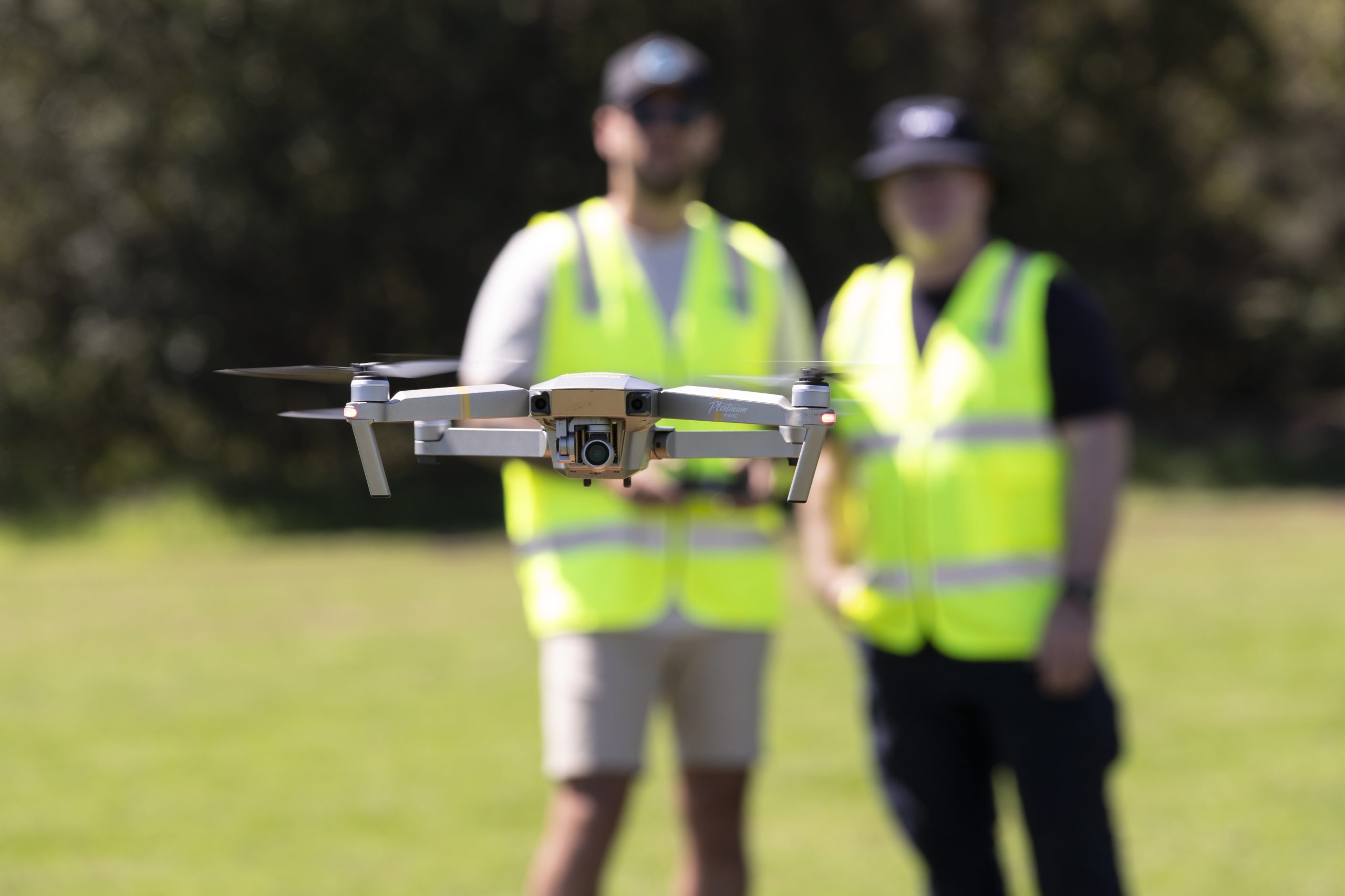
These courses help operators become certified and confident in safely flying drones for commercial purposes.
Beyond training, producers can connect with:
- Queensland’s AgTech network and Smart Farms programs for trials and farmer support.
- Biosecurity Queensland for chemical use licensing
- CASA-verified flight apps to plan compliant flights
Whether you’re a new operator or an experienced farmer, these resources help you adopt drone technology the right way.
Join the Drone Revolution!
Agricultural drones are reshaping farming operations in Queensland. From crop-level insights and precision spraying to livestock monitoring and pasture management, they’re improving efficiency, data quality, and safety across diverse agricultural enterprises.
By understanding the available training pathways through providers like us Queensland producers can unlock the full potential agricultural drones have to offer.
Drones are already lifting agriculture to new heights right here in Queensland. If you want to expand your skills and make drones a part of your operations, get in touch with our expert team to see which course is the best fit for you.