
9 In-Demand RePL Career Pathways for Certified Drone Pilots
Drone training and RePL certification will launch you into one of the world's most exciting and ever-changing industries.
The rise of drones is reshaping everything from agriculture to construction, and your RePL certification opens doors to many remote pilot jobs that blend technical expertise with creative problem-solving.
Let's take a closer look at 9 top drone careers to help you find the perfect RePL job that matches your skills and interests.
Law Enforcement and Public Safety
Australian police departments are embracing drone technology faster than ever.
This shift is reshaping their operations and creating new career paths for certified RePL pilots in law enforcement and public safety.
These unmanned systems lift public safety standards by cutting response times, lowering costs, and giving critical information during emergencies.
Law enforcement uses drones to handle several key tasks:
First responders: These units launch in under 20 seconds and reach scenes in under 90 seconds to provide quick aerial views
Search and rescue: Teams use thermal imaging to find missing people in tough terrain quickly
Crime scene documentation: Drones create detailed orthomosaic images and 3D models to pinpoint evidence
Tactical surveillance: Teams get better situational awareness during high-risk operations

Best Industries for Law Enforcement and Public Safety
Public safety offers many specialised fields for drone operators.
State Emergency Services (SES) and local law enforcement across Western Australia, New South Wales and Victoria keep growing their drone programmes.
These teams watch public events, look into traffic incidents, and run covert surveillance.
Fire and rescue teams use thermal imaging drones to spot hotspots in urban fires and wildfires.
This makes responses better and keeps personnel safer.
Search and rescue groups have become big employers of drone pilots.
Operators work with police, fire brigades, SES teams, and surf lifesavers.
They often check areas too dangerous for human teams, which keeps rescuers safe.
Career Outlook for Law Enforcement and Public Safety
The need for drone operators in public safety keeps growing.
Industry changes point to more jobs opening up for qualified remote pilots in law enforcement and public safety, and the money looks promising too.
Expert contractors can earn $150,000+, especially if they own high-end equipment.
Mining and Resource Exploration
Australia's mining sites, with their rugged terrain, have become the perfect testing ground for RePL-certified drone pilots.
This field offers rewarding career opportunities in one of the country's key industries.
Drone integration has created new levels of efficiency in surveying, geological analysis and operational management.
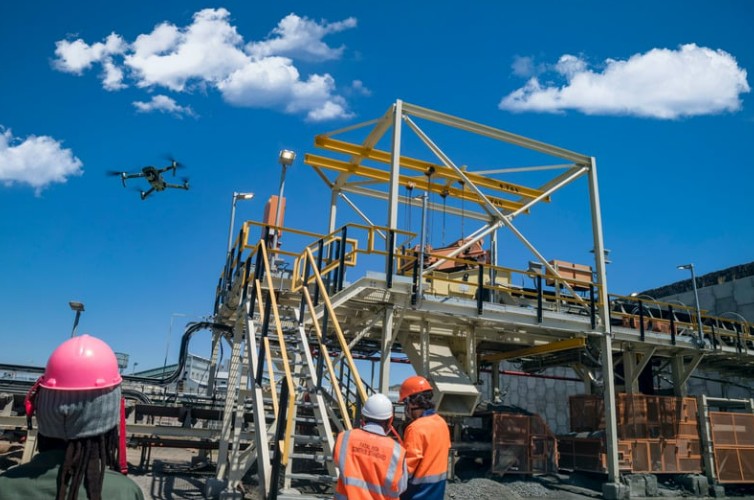
Mining companies now use drones with high-resolution cameras and LiDAR sensors to create precise 3D maps for better planning and analysis.
This lets them explore big tracts of rugged terrain for minerals, monitor stockpiles, and track equipment without putting their staff at risk.
Mining drones serve many purposes:
Geological surveys that analyse soil composition and identify mineral-rich areas
Multispectral and hyperspectral imaging that detects hidden mineral deposits
Underground drone inspections of tunnels to reduce human risk
Precise stockpile measurement that improves inventory management
Drones have turned out to be cheaper and safer alternatives for mapping deposit sites.
Best Industries for Mining and Resource Exploration
Drones in mining are used most often for surveying and mapping, monitoring and inspection, site safety management, and stockpile management.
Mining operations of all sizes make use of drone technology.
BHP has used drones for years in many Australian mines to explore minerals less invasively.
Their work includes scouting mining leases, collecting environmental data, and tracking operational equipment.
Career Outlook for Mining and Resource Exploration
Drone pilots in mining have excellent career prospects, and Australian mines lead with 75% adoption.
Mining has become one of the highest-paying fields for RePL certified pilots.
The Australian Government has invested in drone technology for mining to help keep mine workers away from harsh environments while reducing environmental impact.
As mining companies see the safety improvements, better efficiency and cost savings that drone technology brings, certified remote pilots with mining expertise will find plenty of opportunities in this growing RePL career path.
Surveying and Mapping
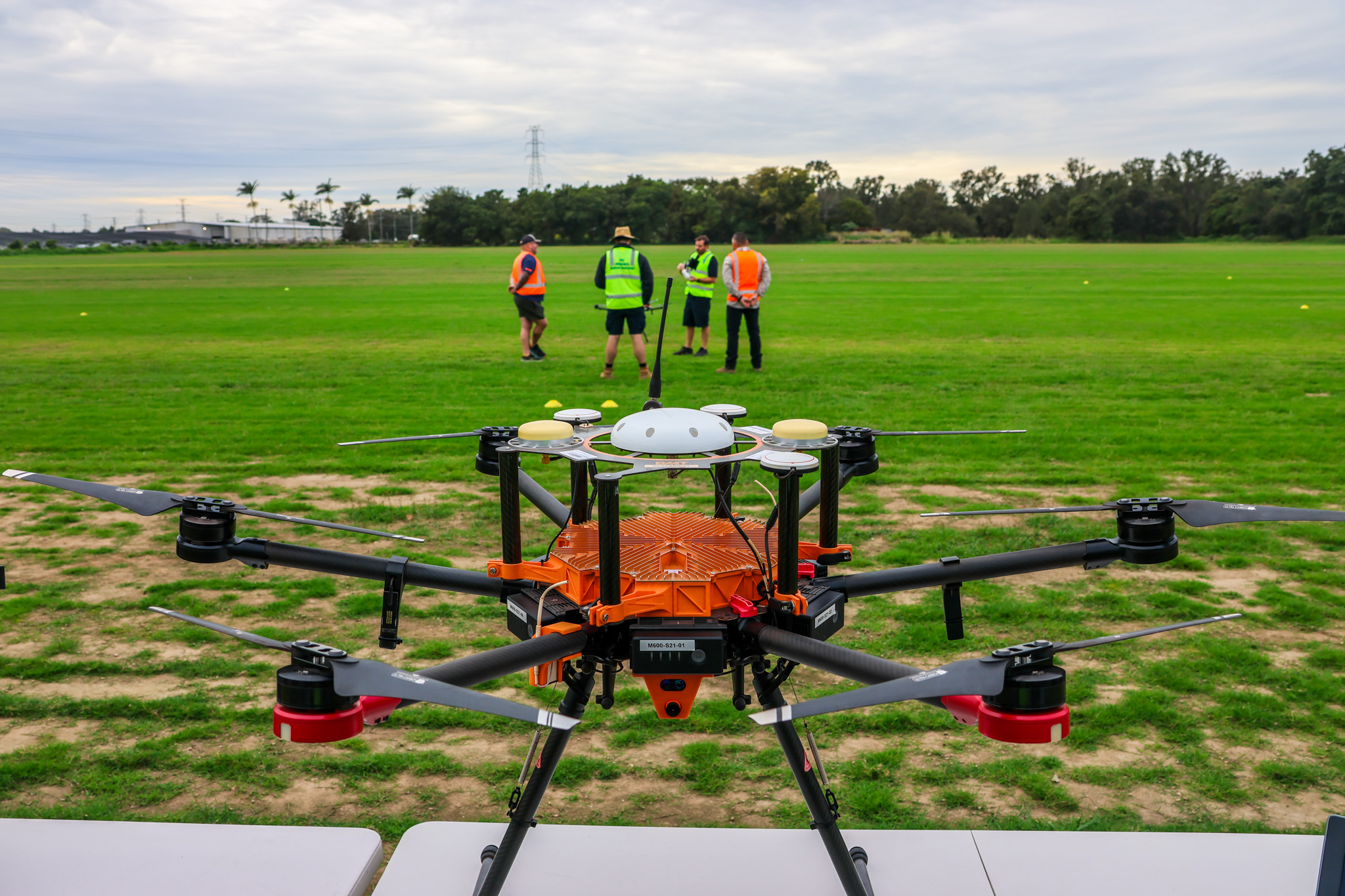
Drone surveying and mapping demands precision, making it a perfect RePL career pathway for pilots who love technical work.
The role combines expert flying skills with geospatial knowledge to create detailed maps that traditional methods can't match in cost or efficiency.
A drone mapping specialist captures aerial footage and turns it into detailed maps.
Their key responsibilities include:
Planning flights and checking equipment to collect accurate data
Capturing and processing geospatial data for maps and surveys
Creating precise 3D maps of terrain, even with dense vegetation
Building orthomosaic images and point clouds that construction and engineering teams need
Drone surveyors can collect massive amounts of data in quick flights, which speeds up projects that used to take hundreds of hours when done from the ground.
Industries Hiring for Surveying and Mapping
Construction companies lead the pack in hiring drone surveyors.
They need experts for site planning, progress tracking, and measuring volumes.
These specialists create 3D models that help plan excavations, roadwork, and safety protocols.
Civil engineering projects, environmental agencies, and property developers need drone services for boundary surveys and site documentation.
You can choose to work directly for these organisations or run your own specialised service business.
Surveying stands out as one of the most technically advanced and lucrative RePL career paths.
It opens doors across industries for pilots who excel at both flying and geospatial work.
Environmental Monitoring and Conservation
Drone technology has become a great ally in wildlife conservation, creating an exciting RePL career path that blends environmental passion with technical skills.
Environmental drone pilots gather crucial data through aerial surveys to support biodiversity studies and conservation projects.
Their work covers:
- Finding wildlife with thermal imaging in dense forest canopies
- Checking vegetation health along rivers and drainage channels
- Building detailed 3D maps for ecological research
- Keeping tabs on pollution and climate change effects
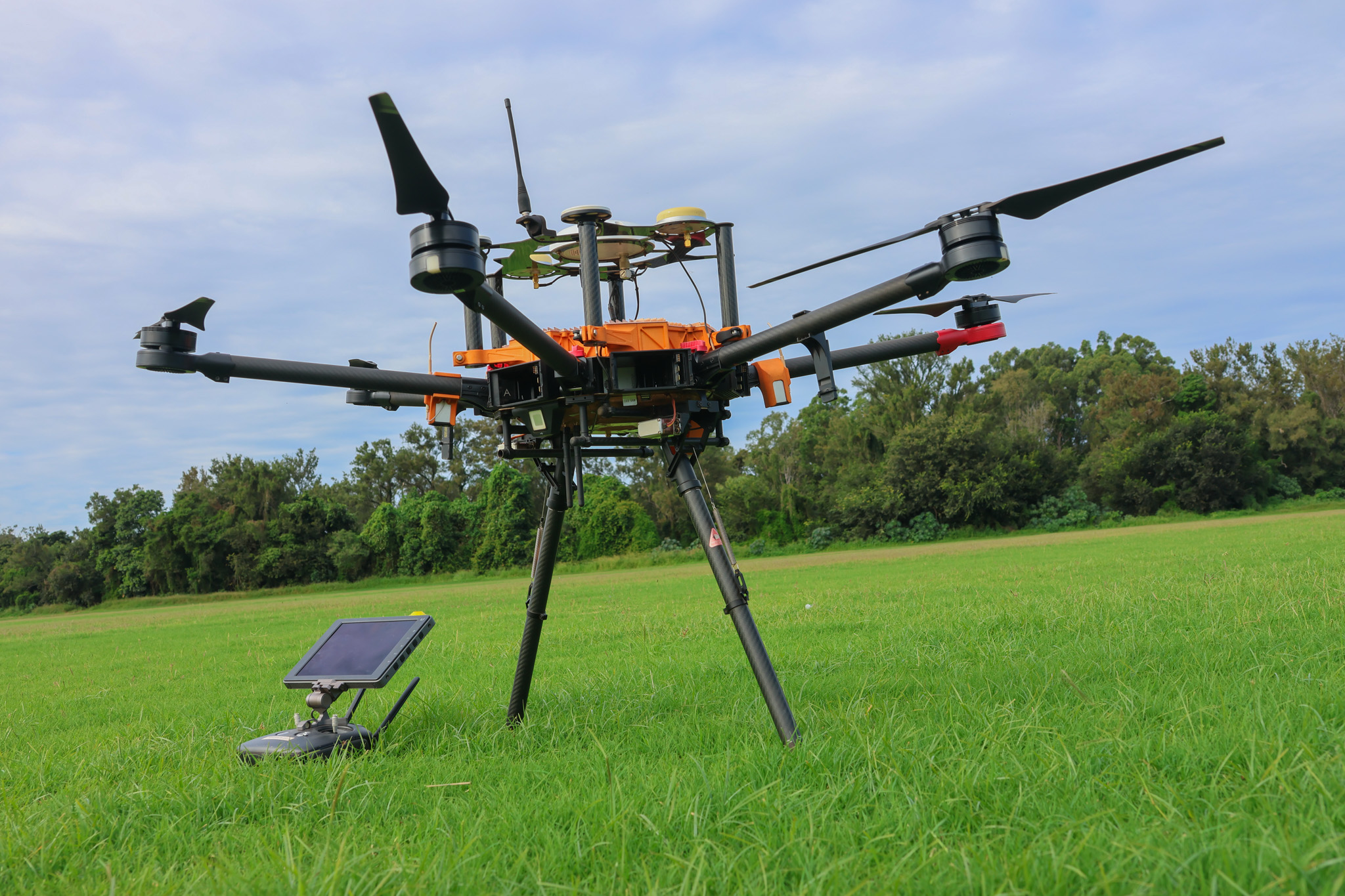
The NSW Wildlife Drone Hub showed remarkable results, completing 4,957 flights that covered 21,452 km and spotting 1,276 koalas along the way.
Industries Hiring for Environmental Monitoring and Conservation
Government conservation departments lead the way in job opportunities.
The NSW Government's investment in the Wildlife Drone Hub shows this sector's strong growth.
Private environmental consultancies need drone operators regularly.
Experienced surveyors can earn great hourly rates for environmental survey work.
Research institutions, universities, and non-profit conservation groups create paths for skilled pilots who mix drone expertise with environmental knowledge.
This makes it a perfect RePL career choice for anyone who wants to protect our natural world.
Not sure what drone course you need?
Call one of our training consultants who can help you determine what you need. We understand it can be confusing and our training team are ready to assist!
Agriculture
Modern agriculture operations can be enormous, but drones allow operators to monitor every corner at a glance.
They provide a non-invasive way to capture images of land, providing valuable data and information that might not be seen with the naked eye.
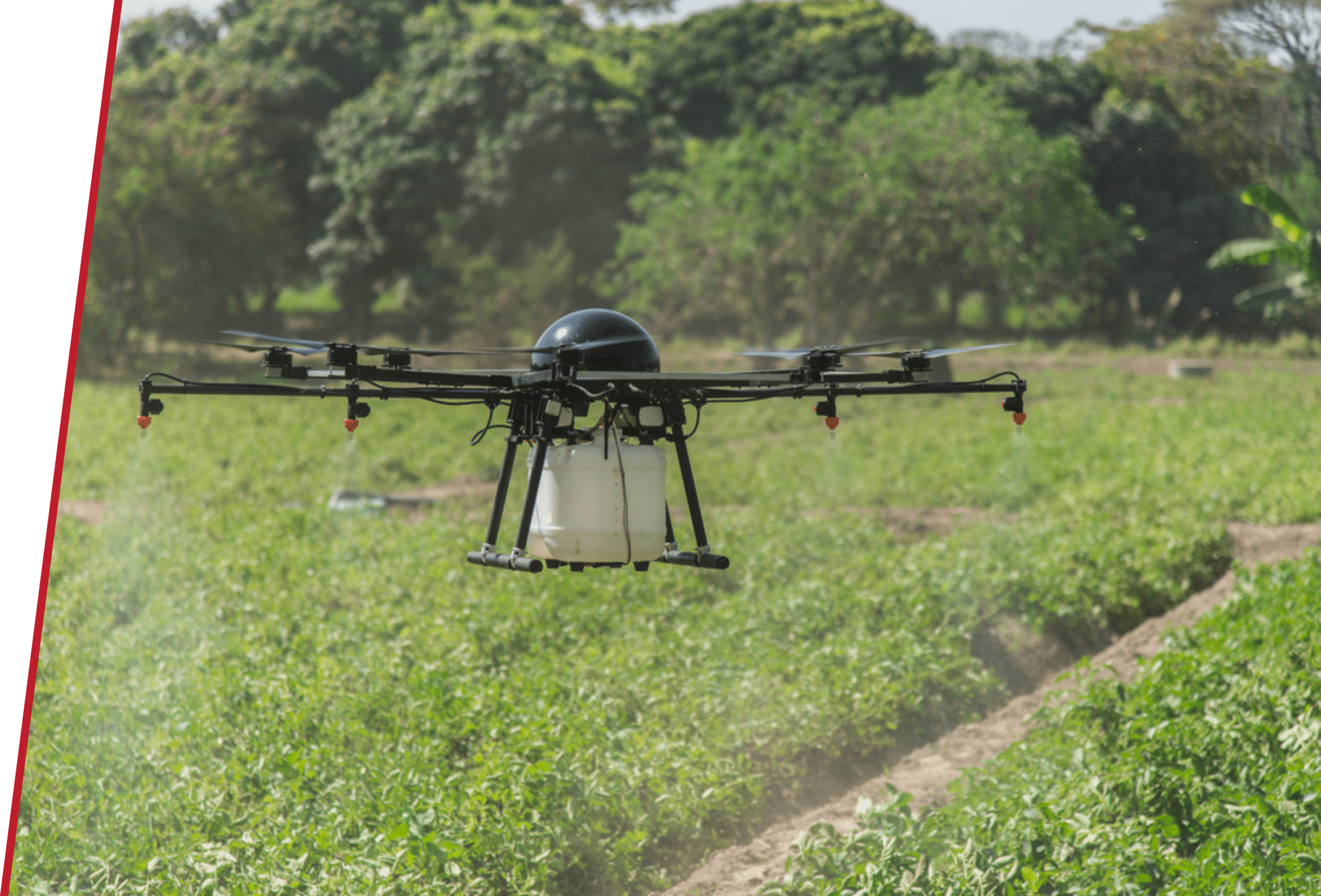
Agricultural drone operators help farmers save time and money by automating regular chores like spraying and fertilisation.
They can monitor crop health and yield, track wildlife, and spray pest and disease treatments to keep everything healthy.
Best Industries for Agriculture
In Australia’s agricultural sector, drone operators find roles in precision farming, crop health monitoring, aerial spraying, livestock mustering, and environmental surveying.
They may work for agritech firms, research institutions, or directly with large farms, often on contracts or as full-time pilots.
To be competitive, you might want to invest in skills in GIS, remote sensing, and data analytics.
As farms increasingly adopt drone technology to boost yields and reduce costs, demand for skilled professionals continues to grow.
Filmmaking and TV Production
Movies and TV shows have created an exciting career path for certified pilots.
Drones have reshaped how filmmakers tell visual stories and give viewers fresh angles that boost their experience.
Filmmakers can get amazing aerial shots at a fraction of traditional costs with drones costing 90% less than helicopters.
This makes quality aerial cinematography available to productions of all sizes, while also removing the safety risks from helicopter filming.
Drone cinematography stands out because it's so flexible.
Modern drones can do more than just show sprawling landscapes. They excel at:
Dynamic tracking shots that follow action sequences
Dramatic reveals that show larger contexts
Orbit shots that circle subjects for immersive views
Fly-through shots that navigate tight spaces for engaging angles
Modern action films prove this point, with 75% now employing drone cinematography.
Best Industries for Filmmaking and TV Production
Drone pilots who focus on cinematography find work in many areas.
Travel and documentary work tops the list, using drones to film scenic landscapes worldwide.
TV networks and reality shows offer regular work.
Australian operators appear on Fox Sports, ABC, Seven, and Channel Nine filming major sporting events and popular series.
Real estate marketing has become another key area.
Property videos look better with aerial views that show homes in context.
Career outlook for Filmmaking and TV Production
Drone operators' career prospects in film and TV keep getting better.
The film industry's love for drones keeps growing as productions see both creative and money-saving benefits.
Drone cinematography has evolved from an experimental method to a key storytelling tool.
It gives certified RePL pilots an exciting career that blends technical expertise with artistic vision.
Start Your Career With Certifications From Toll Uncrewed Systems
The drone industry sits at an amazing intersection of tech and potential.
Creative minds might lean towards filmmaking or drone shows, while analytical thinkers could thrive in surveying, mapping or insurance work.
Getting your RePL certification takes work, but it pays off big time in these growing fields.
Your certificate becomes a key that unlocks Australia's fastest-growing tech careers, and Toll Uncrewed Systems is your way to get your foot in the door.
As a registered provider of drone training programs, we offer Remote Pilots Licence (RePL) and Remote Operator’s Certificate (ReOC) courses in Australia’s major cities.
Our training is delivered by veteran pilots, and we can even help you upskill with advanced training in photography, crop spraying, and more.
If you’re interested in any of the above roles, browse our courses online, or contact us so we can help you find the best fit for your goals.
Frequently Asked Questions
To operate drones commercially in Australia, you need to obtain a Remote Pilot Licence (RePL). This certification demonstrates your proficiency in aviation law, meteorology, and operational planning. Additional specialised training may be required depending on your chosen field.
Drone pilots are in high demand across various sectors, including Emergency services, law enforcement, mining, environmental conservation, agriculture, and construction.
Earnings can vary widely depending on the industry and level of expertise. Experienced professionals can expect an average of $90-95,000, but it can be lower for new pilots or basic work. Specialised pilots in film, construction, and mining can earn well over $100,000.
Yes, there are numerous opportunities for career growth. You might start as a drone operator and progress to roles such as project manager, specialise in areas like surveillance or environmental monitoring, or even start your own drone services company. Continuous learning and staying updated with technological advancements are key to career progression.
Emerging trends include Beyond Visual Line of sight operations. Regulatory advancements are enabling drones to fly beyond the pilot's line of sight, expanding their range and utility.
Drones are increasingly fathering and using artificial intelligence and machine learning, meaning the industry is looking for AI developers, software engineers and data analysts to manage these systems.
Urban air mobility, including the development of passenger drones and air taxis, is gaining momentum with targeted operational live flights by the Brisbane Olympics.
With all these opportunities arising, drone engineers, hardware designers and integration specialists are required to manufacture and customise drones for industry.