Complete Australian Drone Licence Guide 2026
The drone industry in Australia is rapidly expanding, creating exciting career opportunities for those equipped with the right skills and certification. A key step to entering this field is obtaining a Remote Pilot Licence (RePL), which involves five days of training.
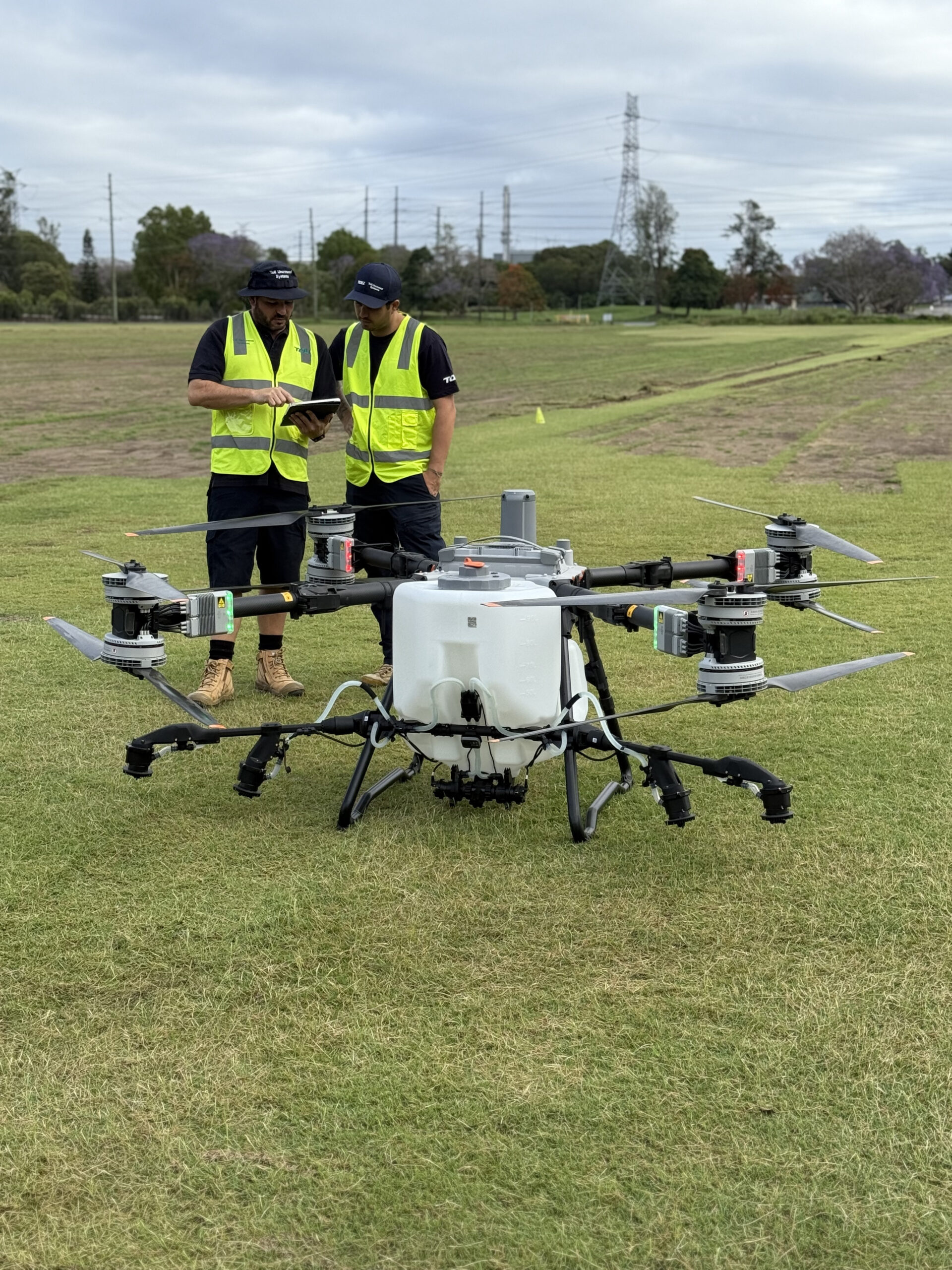
An RePL is required for commercial drone operations or flying beyond Standard Operating Conditions. Once earned, it never expires, making it a valuable credential for long-term success.
From aerial photography and cinematography to agricultural mapping and infrastructure inspections, a drone licence unlocks a wide range of opportunities.
This guide will walk you through everything you need to know to get licensed and fly confidently in Australia in 2025.
The Australian Drone Landscape in 2026
Australia’s drone industry has grown remarkably. 38,874 licensed drone operators were registered as of May 2025.
This number now exceeds the 30,845 conventional crewed pilots. These numbers show how unmanned aerial vehicles have become essential to Australia’s aviation scene.
Current Drone Usage Statistics in Australia
Australia’s drone market is on a strong growth trajectory, with forecasts predicting sharp increases in both revenue and drone activity over the next 20 years.
Valued at USD $73.06 billion in 2024, the global drone market is expected to grow at a CAGR of 14.3%, reaching USD $260 billion by 2030. Advances in battery energy density, sensor miniaturisation, and onboard data-processing technologies fuel this growth.
Emergency services benefit greatly from drone technology, with the industry reporting a 10% boost in productivity.
This equates to an AUD $460 million net gain for the national economy, with potential cost savings of $1 to $8 billion if drones are used for early bushfire detection. Farmers also use drone data to monitor crops and manage resources more effectively.
Recent Changes to Drone Regulations
CASA has updated its rules substantially over the last several years. Commercial drone registration became mandatory by January 2021. The planned recreational drone registration program was put on hold in mid-2023 to review whether it was needed.
CASA simplified its application process, especially for Beyond Visual Line of Sight (BVLOS) operations.
They’re also working to change Visual Line of Sight definitions to include extended capabilities. These changes help balance safety with innovation as the industry grows.
Why Proper Licensing Matters
Flying drones without proper certification poses serious risks. CASA can impose fines of $10,500 per offence immediately.
Court penalties could reach $16,500. Endangering manned aircraft may result in criminal charges and up to 2 years in jail.
Licensed operators are familiar with essential safety protocols and airspace regulations. Drones are continually finding new applications in real estate, agriculture, and other sectors. This growth ensures that properly licensed operators will remain in high demand. Australia continues to lead in drone innovation.
Understanding the Australian Drone Licensing System
Australian drone licensing clearly separates hobbyists from commercial operators. You must understand these differences to remain legal and avoid hefty fines.
Recreational vs Commercial Drone Operations
Australian drone rules mainly depend on how you use your aircraft.
Flying a drone just for fun counts as recreational use, including taking personal photos or learning to see things from above.
Commercial use means any drone activity that generates revenue or supports your business, such as professional aerial photography or monitoring farm operations.
When You Need a Drone Licence
Your flying purpose determines what licence you’ll need:
- Recreational pilots don’t usually need a licence but must follow CASA’s standard safety rules.
- Commercial operators must register every drone they own and need either:
- An RPA Operator Accreditation (for drones between 250g-2kg under standard conditions)
- A Remote Pilot Licence (RePL) for drones over 2kg or flights outside standard conditions
Not sure what drone course you need?
Call one of our training consultants who can help you determine what you need. We understand it can be confusing and our training team are ready to assist!
Key Regulatory Bodies and Their Roles
The Civil Aviation Safety Authority (CASA) leads drone regulation throughout Australia. CASA’s job includes:
Creating and updating drone rules
Giving out certifications and licences (RePL and ReOC)
Making sure everyone follows safety standards
CASA manages things nationwide, but local and state governments add their own rules, too. They help enforce regulations in their areas. Drone operators need to know both federal and local rules to fly legally in their area.
These rules apply to everyone flying in Australian airspace, and you’ll need to understand them well.
Types of Drone Licences Available
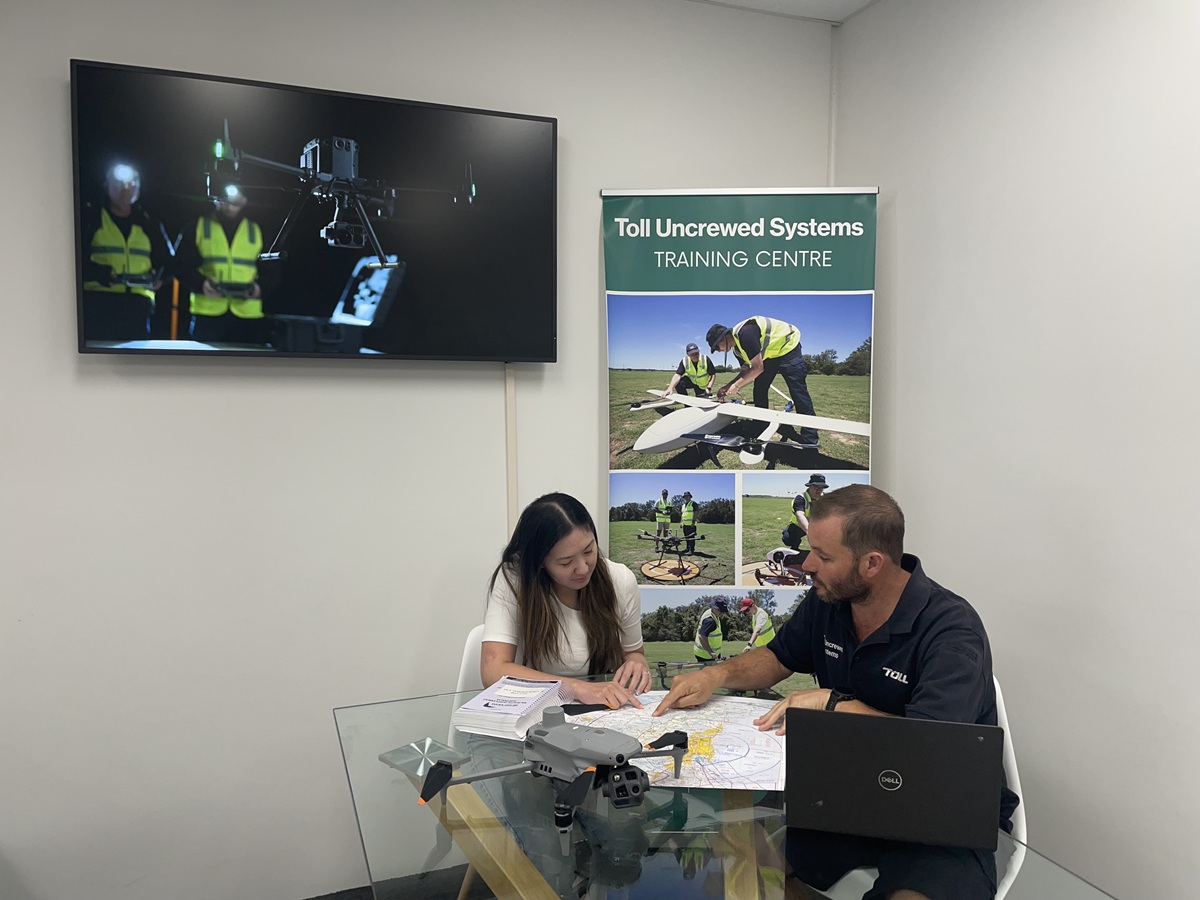
Australia’s drone licensing system provides multiple pathways based on operational requirements. Here’s a breakdown of the available licence types for 2025.
Overview of the Remote Pilot Licence (RePL)
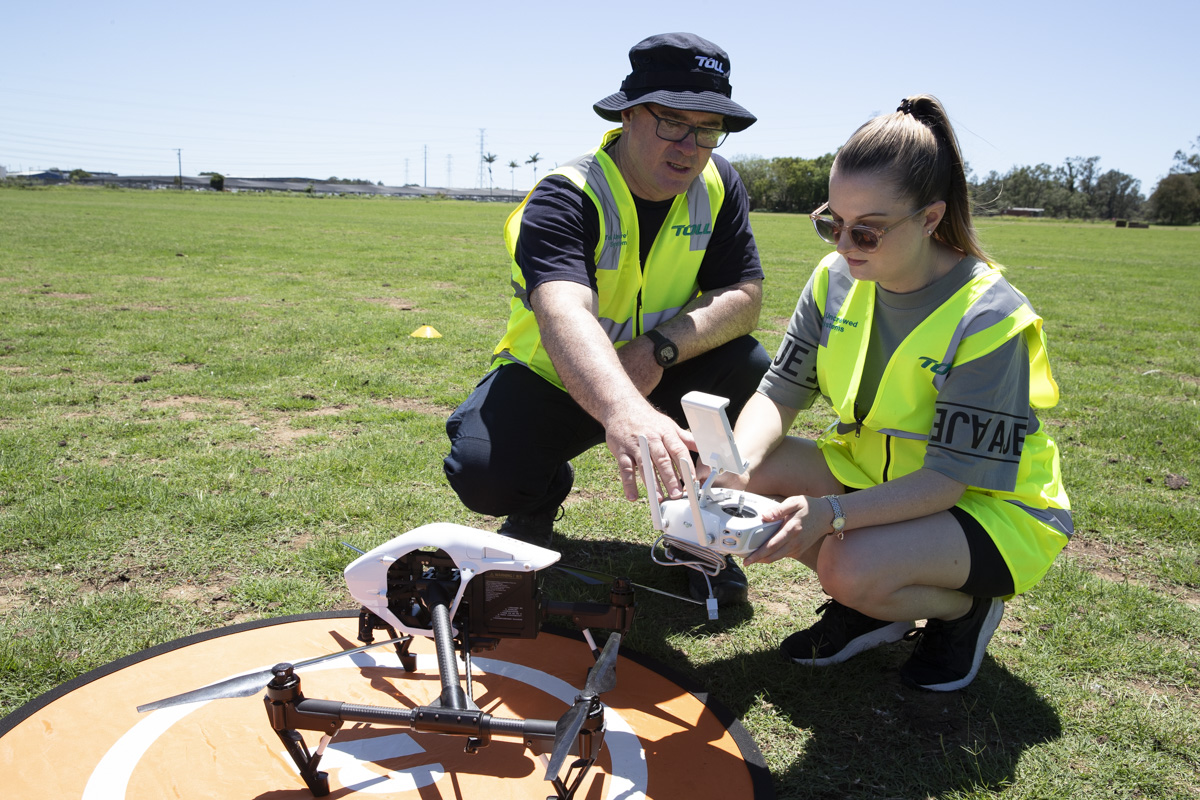
The Remote Pilot Licence serves as the standard certification for individual drone pilots.
This licence allows commercial operations, unlike recreational permits. It covers specific weight categories, including <7kg, <25kg, and <150kg aircraft types.
A RePL does not expire, which makes it a valuable one-time investment. Pilots must complete an accredited training course that includes theoretical knowledge and practical flight assessments.

Remote Operator’s Certificate (ReOC) Explained
The ReOC allows businesses to conduct commercial drone operations, while the RePL certifies individual pilots.
Organisations with a ReOC can employ RePL-certified pilots and seek special operational approvals beyond standard conditions.
A Chief Remote Pilot must oversee operational safety for each ReOC. The certificate is valid for 12 months and can be renewed up to three years after compliance verification.
Sub-2kg Commercial Operations
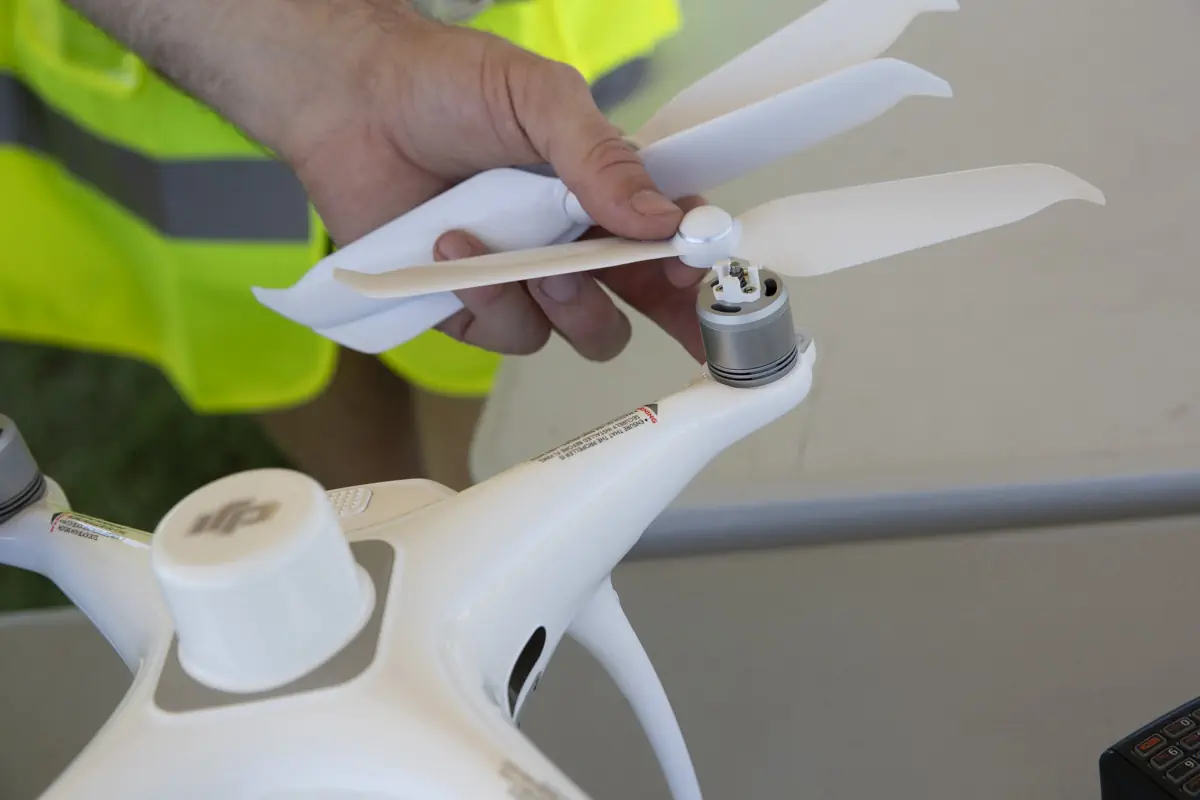
CASA offers a simplified pathway for lightweight commercial drone operations.
Operators of drones weighing less than 2kg can work commercially within the “excluded category” without needing a full Repl.
However, these operators must register their aircraft, obtain operator accreditation, and strictly adhere to standard operating conditions.
Excluded Category Operations
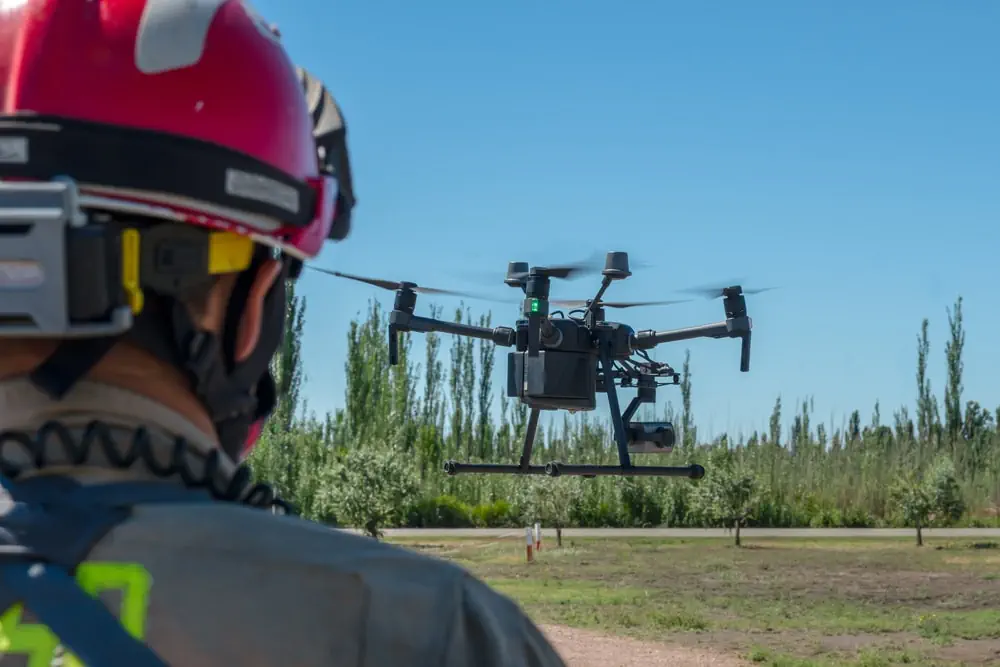
The excluded category covers private landholders who use drones up to 25kg solely over their property for business purposes.
This exemption removes the need for a ReOC. Landholders must still get a RePL appropriate to their aircraft type when flying drones above 25kg.
Comparison Table of Licence Types
Licence Type | Weight Limit | Commercial Use | Special Approvals | Requirements |
|---|---|---|---|---|
None (Recreational) | <25kg | No | No | Follow standard rules |
Excluded Category | <2kg | Yes | No | Operator accreditation |
Landholder Excluded | <25kg | On own land only | No | Own property use only |
RePL | As endorsed | Yes | No | Formal training |
ReOC | As endorsed | Yes | Yes | Chief Remote Pilot, manuals |
The General Licensing Process
Getting your drone licence in Australia is a straightforward process that ensures you understand safety rules and can show practical skills. Here’s how to get your certification:
-
Step 2
-
Step 3
-
Step 4
Step 1: Determine Your Licence Requirements
You need to know exactly what certification you need. A Remote Pilot Licence (RePL) is needed when you fly commercial drones over 2kg. Smaller commercial drones between 250g and 2kg might only need operator accreditation. You’ll need an Aviation Reference Number (ARN) from the myCASA portal first. This unique ID is vital for all drone certifications.
Regional Considerations
Australian drone pilots must navigate a complex web of state and territory rules that vary substantially across the country, in addition to national regulations.
State-Specific Regulations Overview
State and territory governments throughout Australia enforce extra drone regulations on top of CASA’s national requirements. Drone operators should check their local laws before flying in new areas. The rules differ quite a bit depending on where you are.
Kakadu National Park in the Northern Territory has completely banned drones, while the ACT doesn’t allow recreational drones anywhere in its nature reserves.
Queensland’s parks need a Commercial Activity Permit for professional drone operations. Western Australia takes a different approach, allowing recreational drone users to fly in parks without approval, as long as they keep their distance from wildlife.
Finding Local Training Providers
Australia’s geographic diversity has led to drone training schools popping up across the country.
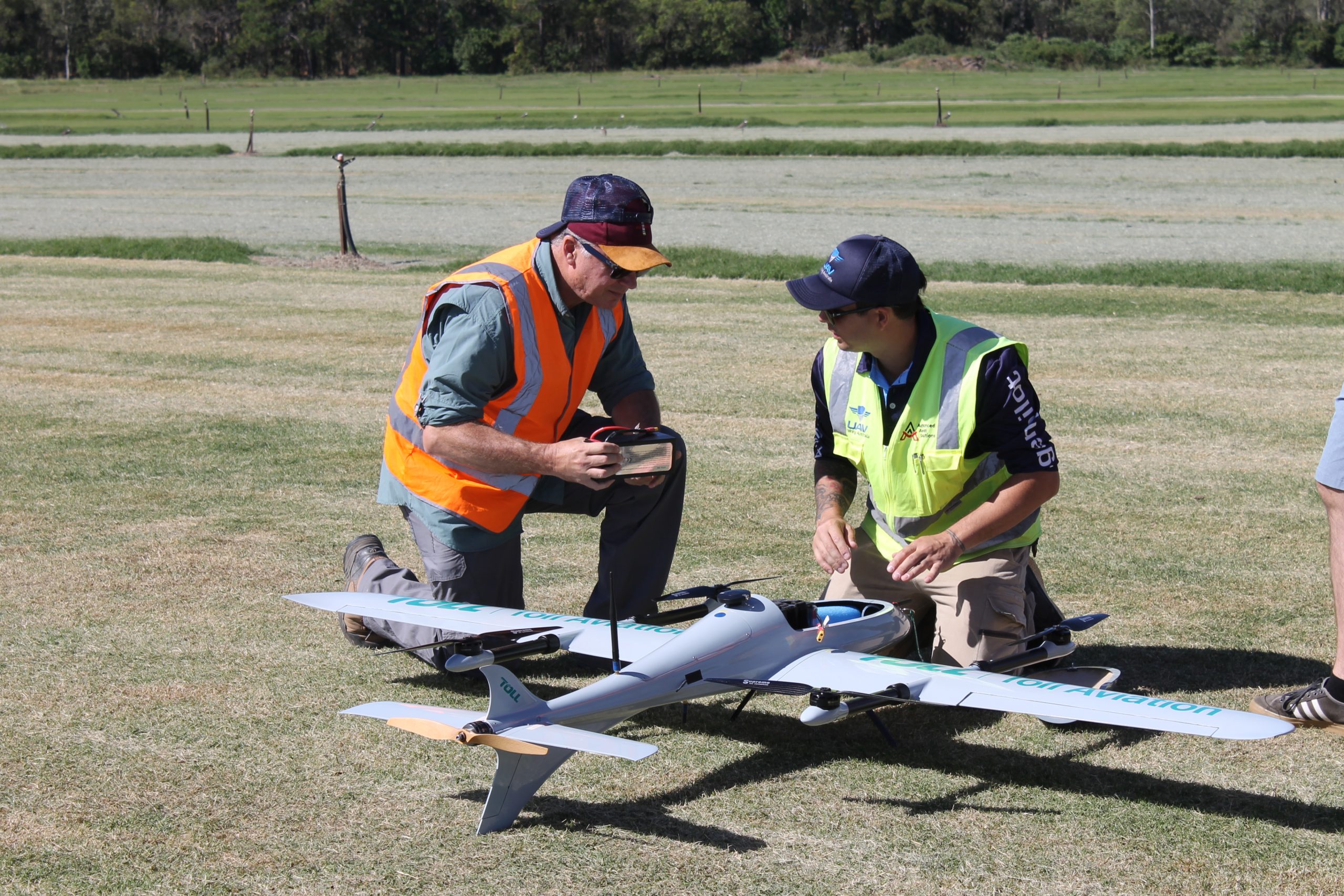
Toll Uncrewed’s Brisbane courses deliver both the theoretical knowledge and hands-on training needed to safely operate commercial-grade drones.
Designed for those new to the industry, our training ensures every participant is supported by experienced instructors from start to finish, helping you build the confidence and skills to pursue your ideal drone career.
We offer discounted group training, with tailored packages to match your specific needs and operational goals. Contact us today to find out more.
Local Flying Restrictions to Know
The drone rule map launched recently shows rules for 7,610 areas under the management of 15 authorities, making it much easier to plan your flights.
Drone restrictions apply to several key areas:
Correctional facilities
Parliament House in Canberra
Sydney Olympic Park
Marine parks and sensitive environmental areas
Declared major events in NSW, Queensland and South Australia
Breaking local drone rules could cost you big time, as fines can be higher than standard CASA penalties. Smart drone operators check the official drone safety app and verify each park’s specific requirements before takeoff, as some locations require permits for flight operations.
FAQs
Yes. If you want to operate a drone for commercial purposes, you must hold a Remote Pilot Licence (RePL) issued by the Civil Aviation Safety Authority (CASA).
You need to complete an accredited training course with a CASA-approved drone training organisation, then pass the required assessments to demonstrate your skills and knowledge.
Yes. For recreational use, you generally do not need a licence, but you must follow CASA’s safety rules, including flying below 120 metres, staying away from people, and not flying near airports.
Drones weighing 2 kilograms or more, or drones used for commercial activities, typically require you to hold an RePL and operate under an operator’s certificate or exemption.
Yes. You must not fly near airports, over populous areas, or near emergency operations. For further information, check out CASA’s list of drone safety apps.
Resources for Further Information
CASA’s drone website serves as the ultimate source for regulatory information.
The CASA-verified drone safety app provides immediate flying restriction data with the latest airspace updates. Industry associations are a great way to get additional resources.
The Australian Association for Unmanned Systems (AAUS) shares industry updates and networking opportunities. DroneALERT helps pilots report illegal drone activities to create safer skies for everyone.
How to Stay Updated on Regulatory Changes
Drone regulations change faster than ever, so current knowledge matters.
You should subscribe to CASA’s drone newsletter to get updates on regulatory changes.
Professional drone communities on LinkedIn and Facebook help operators share regulatory news.
Building relationships with certified training providers benefits you in the long term. These organisations keep their graduates informed about major regulatory changes.
Many providers offer refresher courses to help experienced pilots better understand the latest requirements.