
Do You Need a Licence to Fly a Drone: Common Drone Licence Questions & Misconceptions
Most people think getting a drone licence in Australia is easy. The reality is quite different.
The rules around needing a drone licence aren’t always straightforward.
For example, did you know that the Civil Aviation Safety Authority (CASA) demands registration for all drones above 250g?
This rule applies to recreational flyers, too.
You could face substantial fines for flying an unregistered drone, so it’s essential to understand the rules, regulations, and common misconceptions before taking off.
Essential Drone Licence Questions
Let's break down the basics of drone licensing to give you the full picture.
A Remote Pilot Licence (RePL) isn't needed for all drone flights. You'll need one only if you plan to work with a business that has a Remote Operator's Certificate (ReOC) or if you want to fly a drone between 25kg and 150kg on your property.
You won't need a RePL in these situations:
- A micro RPA that weighs 250g or less
- An excluded category drone (250g-2kg)
- A drone between 2kg-25kg on your property
- Any recreational drone flying
Your RePL certification will show specific weight categories:
- Under 7kg
- Under 25kg
- Under 150kg (type specific)
- Over 150kg (type specific)
A RePL stands out from other licences because it doesn't expire.
The licence has no age restrictions, though training providers might set limits for participating in courses.
Here's what you need to get a RePL:
- Get an Aviation Reference Number (ARN)
- Find a CASA-certified training provider
- Pass the required theory component
- Complete practical skills assessment
People with aviation experience can benefit from alternative pathways that recognise their qualifications.
Training and Assessment Questions
People who want to become pilots often ask about getting a drone licence in Australia and what the training involves.
How Difficult Is the Drone Licence Test?
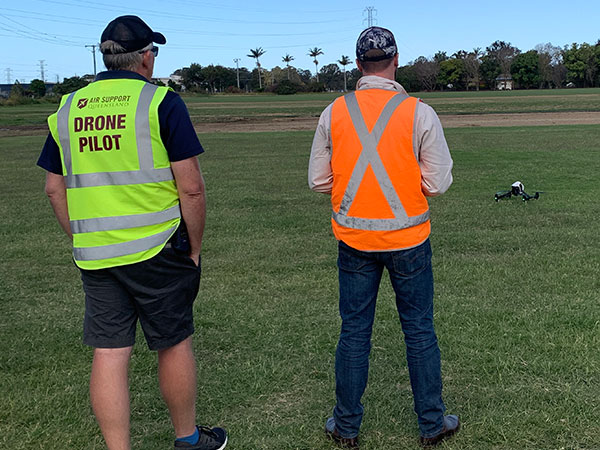
The drone licence test has two key parts: theory and practical.
You'll need to pass both tests to get your RePL.
Theory covers airspace rules, safety procedures, meteorology and drone systems. The practical test shows how well you can fly under different conditions.
What Happens If I Fail My Assessment?
If you choose Toll Uncrewed Systems as your training provider, we will work with you until you pass your test.
Can I Take the Drone Licence Test Online?
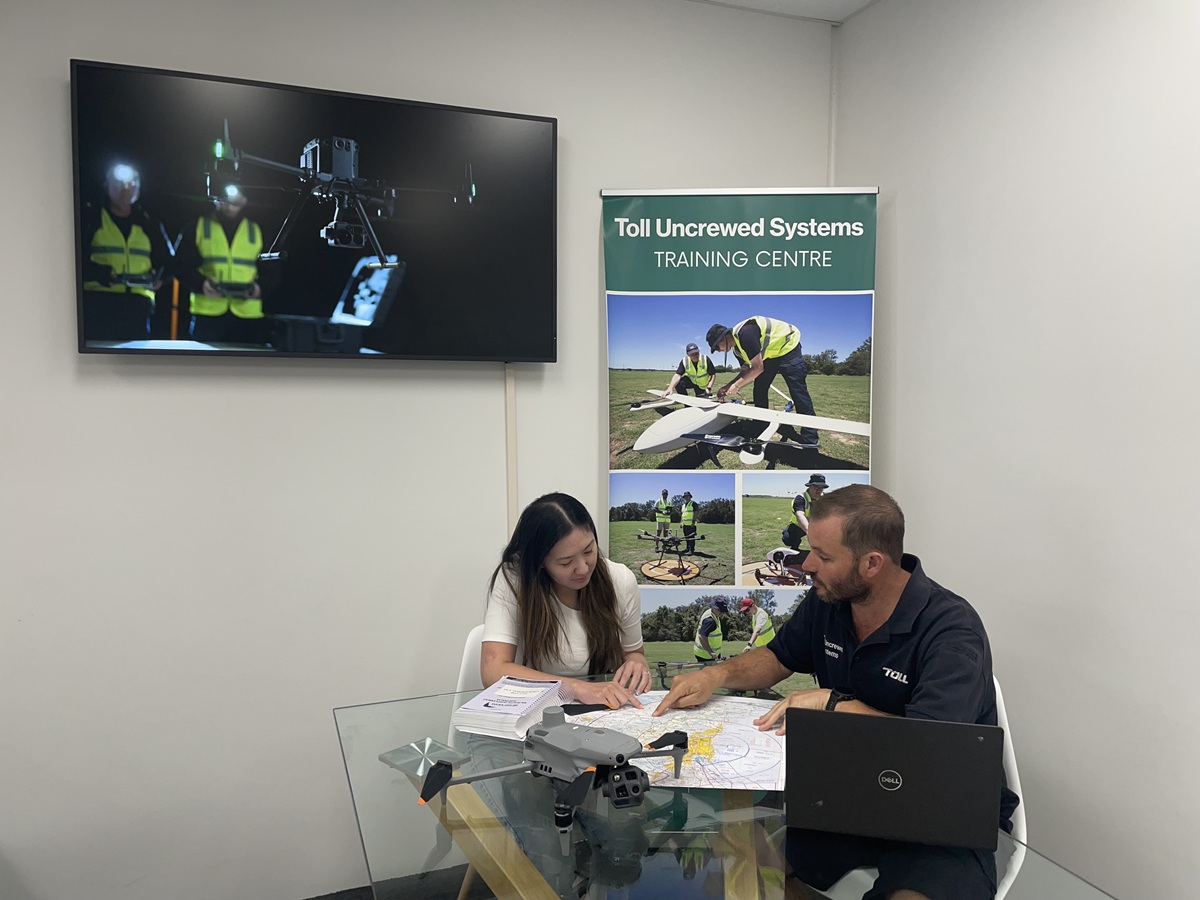
CASA rules say you must do the practical part in person to show your flying skills.
They also require a minimum of 15 hours of live instruction time in the classroom before you sit your theory assessment.
Do I Need to Be Good at Math or Physics?
You don’t need to be a maths whiz or a physics prodigy to complete commercial drone training, but a basic grasp helps.
The theory component touches on aeronautical charts, weather patterns, aerodynamics, navigation, and GPS systems, all of which involve some simple calculations and scientific concepts.
Most training providers recommend being comfortable with basic math and physics so you can confidently interpret charts, understand flight dynamics, and make safe operational decisions.
What Language Can I Take the Test In?
Commercial drone licensing in Australia is conducted in English.
Strong English skills are essential for understanding safety procedures, interpreting regulations, and, if required, communicating with air traffic control.
Training providers must assess your English ability before enrolment to ensure you can complete the theory and operate safely.
You will be issued a General English Language Proficiency once your assessment is complete.
Not sure what drone course you need?
Call one of our training consultants who can help you determine what you need. We understand it can be confusing and our training team are ready to assist!
Legal and Compliance Questions
Flying a drone in Australia comes with serious legal responsibilities. Drone pilots must know what happens when they break rules and stay up to date with regulations.
What Happens If I Fly Without a Licence?
CASA can issue an Aviation Infringement Notice (AIN) for rule breaches, with fines up to $ 1,650 per offence.
- If the matter goes to court, penalties can escalate significantly, up to $16,500 for each offence.
- More serious breaches, particularly those that endanger aircraft, can result in criminal prosecution, with imprisonment for up to two years.
Flying a drone for business or as part of your job without registering it with CASA can also attract fines, up to $16,500
How Do I Stay Updated on Changing Regulations?
Rules often change across states and territories, sometimes without warning. CASA-verified drone safety apps help you stay current.
These apps show easy-to-read maps that tell you where flying is allowed and where it's not.
Can I Fly Near Airports with a Licence?
Airport restrictions apply to everyone, licence or not.
Drones over 250g must stay 5.5km away from controlled airports and out of approach/departure paths.
Lighter drones under 250g can fly in this zone but must stay under 45m and away from runways.
What Are the Privacy Laws for Drone Operations?
Organisations using drones for recording must follow the Privacy Act 1988. They need to tell people before taking their picture and keep that data safe.
Australia's six Drone Privacy Principles guide operators in the right direction.
Common Misconceptions Debunked
Let's address the confusion about drone licensing in Australia. Many pilots struggle to understand Australia's drone regulations.
Not all drone operations need a licence. You don't need a Remote Pilot Licence (RePL) in these cases:
- Flying just for fun
- Using a micro RPA that weighs 250g or less
- Flying an excluded category drone (under 2kg) for business purposes
Many commercial operators can work without a RePL under the "excluded" category. They just need to notify CASA first and follow standard operating conditions.
Getting a drone licence in Australia doesn't mean unlimited airspace access. Each state, territory and local council has its own rules that licensed pilots need to follow. Several sensitive areas completely ban drones. These include Kakadu National Park, marine parks, Parliament House in Canberra, and Sydney Olympic Park.
A RePL never expires, but a Remote Operator's Certificate (ReOC) needs regular renewal. The original certificate lasts one year. After that, renewed certificates stay valid for three years. You need to keep your documentation current to operate legally.
Your RePL is just the start. Business operations also need:
- Drone registration (required for all business uses, no matter the weight)
- CASA notification for sub-2kg operations
- Insurance coverage
- Client service agreements
CASA-accredited training gives real safety benefits. Quality training teaches you everything in risk assessments, emergency procedures, and operational protocols to keep everyone safe. Good training also sets you apart from hobby operators and gives you an edge with potential clients.
Technical Questions About Licensing
Let's explore the technical side of drone licensing and understand what you need to know.
Difference Between RePL and ReOC Explained
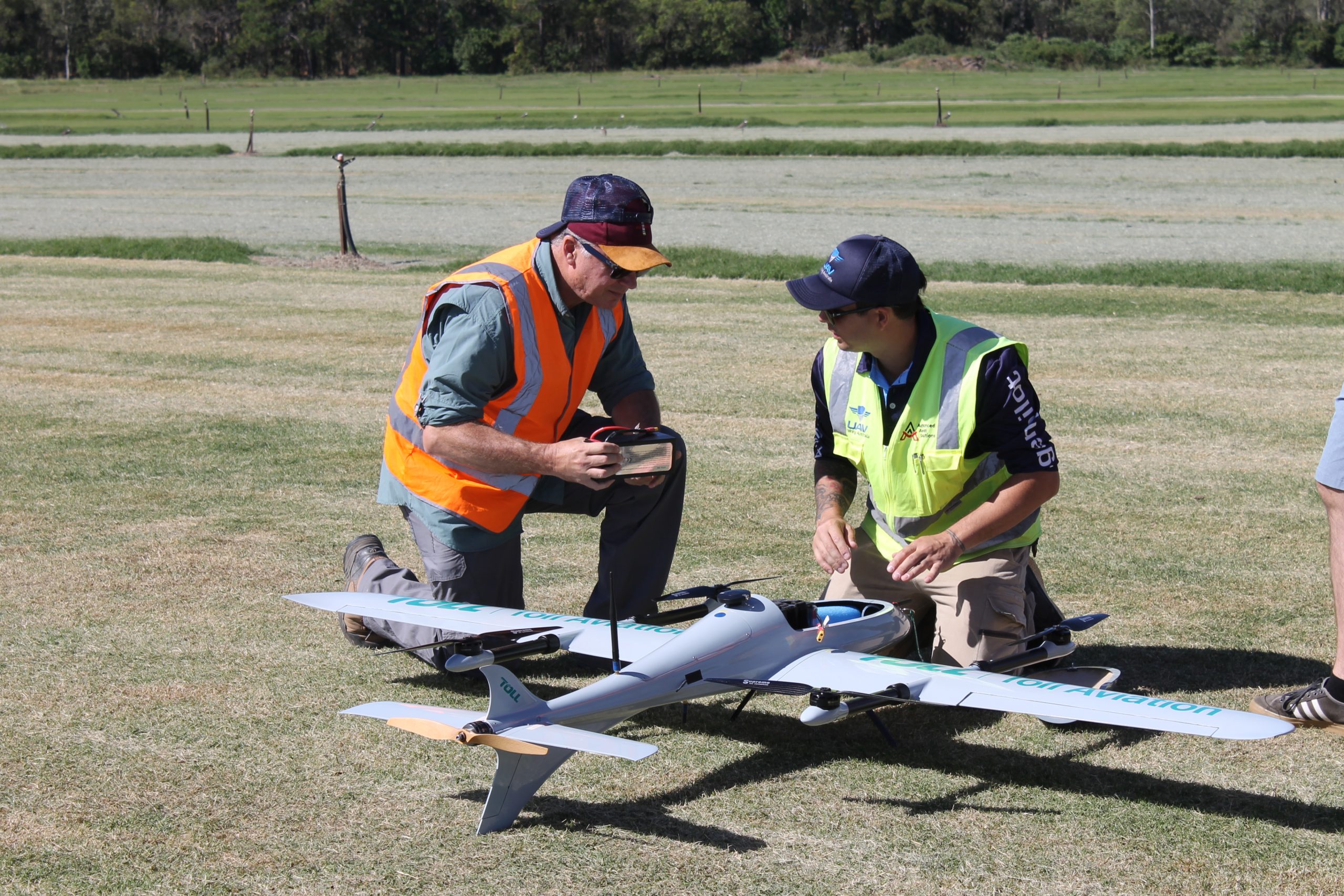
A Remote Pilot Licence (RePL) qualifies individual pilots, while the RPA Operator's Certificate (ReOC) applies to businesses running drone operations.
Your RePL shows you've completed certified training, and the ReOC proves your business meets safety and operational standards.
Understanding Drone Weight Categories
CASA groups drones into four main categories:
- Micro: 250g or less
- Very small: >250g to 2kg
- Small: >2kg to 25kg
- Medium: >25kg to 150kg
Your RePL will list the weight categories you’re certified for. Most pilots start with sub-7kg certification and can add endorsements up to 150kg.
Recreational vs Commercial Operations
The main difference lies in purpose. Recreational flying means personal enjoyment, while commercial operations involve business activities.
You’ll need formal certification for any commercial operations, no matter the drone's weight.
Logbook Requirements and Best Practices
Commercial operators must keep detailed flight logs for seven years. These logs should track flight dates, locations, durations, and note any night operations or flights beyond visual line of sight.
Equipment Registration vs Pilot Licensing
All commercial drones need registration, whatever their weight. However, pilot licensing (RePL) requirements depend on specific operational scenarios.
Career and Commercial Questions
The drone industry creates promising career paths for qualified pilots in Australia.
In fact, February 2024 marked a milestone when drone pilots surpassed traditional aviation pilots for the first time nationwide.
Can I Make Money with a Drone Licence?
Absolutely, and current averages show strong earning potential across different experience levels:
- Entry-level pilots (1–3 years of experience) typically earn around $65,000 per year.
- Average drone pilot salary (all levels) sits between $90,000 and $105,000 per year.
- Mid-level and beyond, salaries generally range between $110,000, with top earners reaching up to $130,000 for highly experienced or specialist roles.
Most In-Demand Drone Skills and Specialisations
These industries actively seek qualified drone operators:
- Mining and construction (surveying, equipment inspections)
- Agriculture (crop monitoring, spraying)
- Media production (aerial photography/videography)
- Emergency services (search and rescue)
Knowledge of mapping, photogrammetry, and editing software will boost your marketability significantly.
Starting a Drone Business After Licensing
You will need:
- Public liability insurance (typically $15-20 million coverage)
- Registered drones (mandatory for all commercial operations)
- Possibly a Remote Operator's Certificate (ReOC)
Start by offering services in your niche. Build a portfolio and establish an online presence to showcase your work.
Working for Existing Drone Service Providers
We worked among surveyors, engineers, and track workers to complete inspections.
The job requires excellent attention to detail, planning skills, and knowing how to create complete reports after flights.
State and Regional Questions
Australian states and territories add their own drone rules on top of federal regulations.
These rules differ a lot between regions.
States enforce their own unique drone restrictions. Victoria won’t let you fly within 120m of correctional facilities. Western Australia restricts flights near mining zones and Indigenous cultural areas. These rules tend to change rapidly, sometimes without warning. You should check the latest regulations before every flight.
Recreational drone use faces a complete ban in most national parks. NSW requires written approval at least 10 days before flying in national parks. Queensland’s national parks need environmental impact assessments with your permit applications. Kakadu National Park bans drones completely to protect wildlife and Indigenous sites.
Local councils decide where you can take off and land. Wollongong City Council, for example, requires permission before any commercial drone operations on council land. The Sunshine Coast Regional Council controls recreational drone use under Local Law No 1. Research into local bylaws before flying remains essential.
Flying between state borders means following rules from both jurisdictions. This becomes especially important near state boundaries. Different locations might have varying penalty structures.