
ReOC vs RePL: Which Drone Qualification Do You Actually Need?
Are you puzzled about ReOC and RePL for drone operations in Australia? You're definitely not alone.
A Remote Pilot Licence (RePL) lets you fly drones commercially. The Remote Operator's Certificate (ReOC) is required for businesses and organisations that want to run commercial
drone operations. This requirement applies to sole traders too.
The team here at Toll Uncrewed Systems specialises in drone qualifications, and we can guide you towards the right certification path based on your needs.
ReOC vs RePL: Key Differences at a Glance
| RePL (Remote Pilot Licence) | ReOC (Remote Operator's Certificate) | |
|---|---|---|
| Holder | Individual pilots | Businesses/organisations (including sole traders) |
| Main Goal | Personal licence for commercial drone operation | Business certification for drone service providers |
| Validity Period | Lifetime (never expires) | Original 12 months, then renewable every 3 years |
| Cost Range | $1,500–$2,000 | $2,000–$2,200 |
| Weight Restrictions | Can operate drones up to 7kg (standard) | Required for commercial operations above 2kg |
| Special Operations | Simple operations within standard conditions | Can apply for special permissions (night ops, near airports) |
Anyone who wants to fly drones in Australia needs to learn the differences between ReOC and RePL. Here’s what sets these qualifications apart:
ReOC vs RePL
You'll need a Remote Pilot Licence (RePL) if you:
Work as a remote pilot for an individual or business that has a ReOC
Want to fly a drone weighing more than 25 kg but nowhere near 150 kg over your own land
You don’t need an RePL if you fly a micro RPA (250g or less), use an excluded category RPA, or fly for fun.
A Remote Operator's Certificate (ReOC) becomes necessary when:
You operate as a drone service provider for hire or reward
You employ remote pilots to operate drones that weigh
up to 7 kg
up to 25 kg
up to 150 kg
more than 150 kg (requires additional certification).
You apply for permissions and approvals for complex drone operations outside of the drone safety rules.
To operate remotely piloted aircraft under a ReOC, the pilot needs to hold a remote pilot licence (RePL). An ReOC is not a licence to operate a drone. You can hire a licensed remote
pilot to complete your operations.
Licence holder: Individual vs Organisation
The biggest difference lies in who owns each qualification. An individual pilot always holds an RePL that shows their ability to operate drones. This proves they completed certified training and know how to fly drones safely within CASA's rules. An ReOC belongs to businesses or organisations, including sole traders, so sometimes you might need to hold both.
Renewal differences
The most notable difference between these qualifications shows in how long they last. An RePL stays valid forever, so once you earn it, it's yours for life without renewal fees. On the other hand, an initial ReOC lasts only 12 months. After the original period, you can renew it every three years. This means staying compliant with CASA's rules and paying renewal fees.
Not sure what drone course you need?
Call one of our training consultants who can help you determine what you need. We understand it can be confusing and our training team are ready to assist!
Deep Dive into RePL Licence
The RePL certification is the starting point if you want to become a professional drone pilot in Australia.
Training requirements and course structure
The RePL course blends theoretical knowledge of aviation law, meteorology, and risk management with hands-on flight training. Most courses have a well-laid-out format that covers:
Three days of theory training with air law, human factors, airspace regulations, weather analysis, and mission planning
Two days of practical flight training that tests your control techniques
Your training provider will apply to CASA for your RePL once you complete the course successfully.
Endorsements: Sub 25kg, night ops, advanced systems
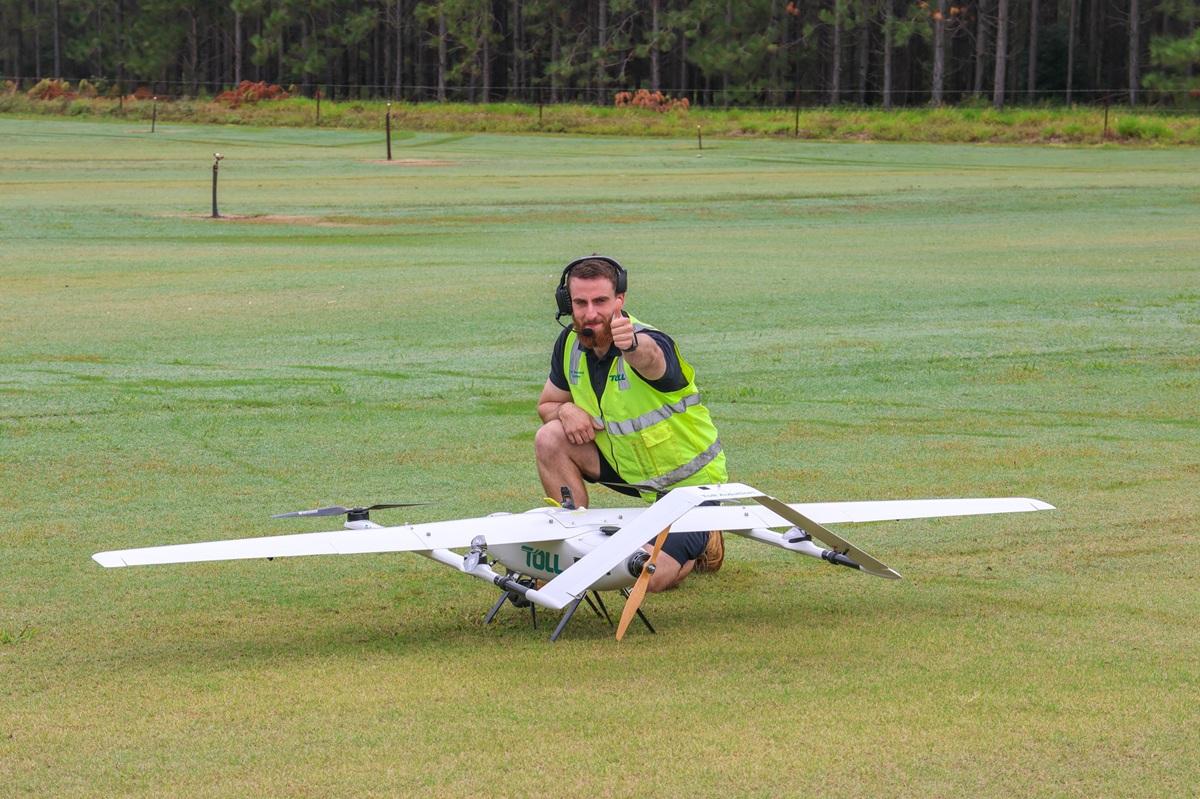
Your initial RePL qualification allows you to operate drones up to 7kg. You can upgrade through many more endorsements that allow you to operate advanced systems, fly at night, and fly drones up to 25kg or above.
Many industry-standard drones are substantially heavier than 7kg, especially once they’re equipped with advanced sensors and payloads. Obtaining your sub 25kg endorsement provides the training you need to safely operate these types of drone systems, which can make your resume much more appealing to an employer.
When RePL is not required
You might be surprised that RePL isn't always needed for commercial operations. The Excluded Category gives flexibility to businesses if they meet specific conditions. You can operate commercially without an RePL in these cases:
Flying a micro RPA (250g or less)
Operating a drone weighing between 250g and 2kg (if you follow standard operating conditions)
Using a drone between 2kg and 25kg over your own land
You still need operator accreditation through CASA even under these excluded categories.
Deep Dive into ReOC Certification
Getting an ReOC unlocks advanced operational capabilities that go beyond a basic RePL.
Application process and documentation
The ReOC application needs complete operational documentation and nominations for the core team. Here's what you need:
Completed CASA Form 101-06 (Application for RPA Operator's Certificate)
RPAS Operations Manual that outlines your procedures
Aviation Reference Numbers (ARN) for the core team
You can submit applications through CASA, which requires the Chief Remote Pilot to complete an assessment interview about operational knowledge and procedures.
Chief Remote Pilot responsibilities
The Chief Remote Pilot is a vital part of any ReOC operation. They must have a valid RePL and oversee all drone operations. They ensure operations follow CASA regulations, maintain
operational standards, conduct internal audits, and monitor crew fatigue. They also keep detailed records of remote pilots' and operational crews' qualifications.
Operational benefits: Beyond visual line of sight, night ops
A ReOC gives you access to advanced operational capabilities. ReOC holders can fly after dark if they train their pilots, assess risks, and document procedures.
ReOC holders must get specific CASA approval for each flight area to conduct BVLOS operations. These advanced capabilities then create business opportunities that operators without an ReOC cannot access.
At Toll Uncrewed Systems, our consultants help guide you through the ReOC certification process. We can help you develop the appropriate documentation, establish record-keeping procedures, and prepare your Chief Pilot for their interview with CASA.
Career and Business Impact of Each Licence
These qualifications go beyond technical knowledge and shape career paths and business opportunities in Australia's growing drone industry.
Job opportunities unlocked by RePL
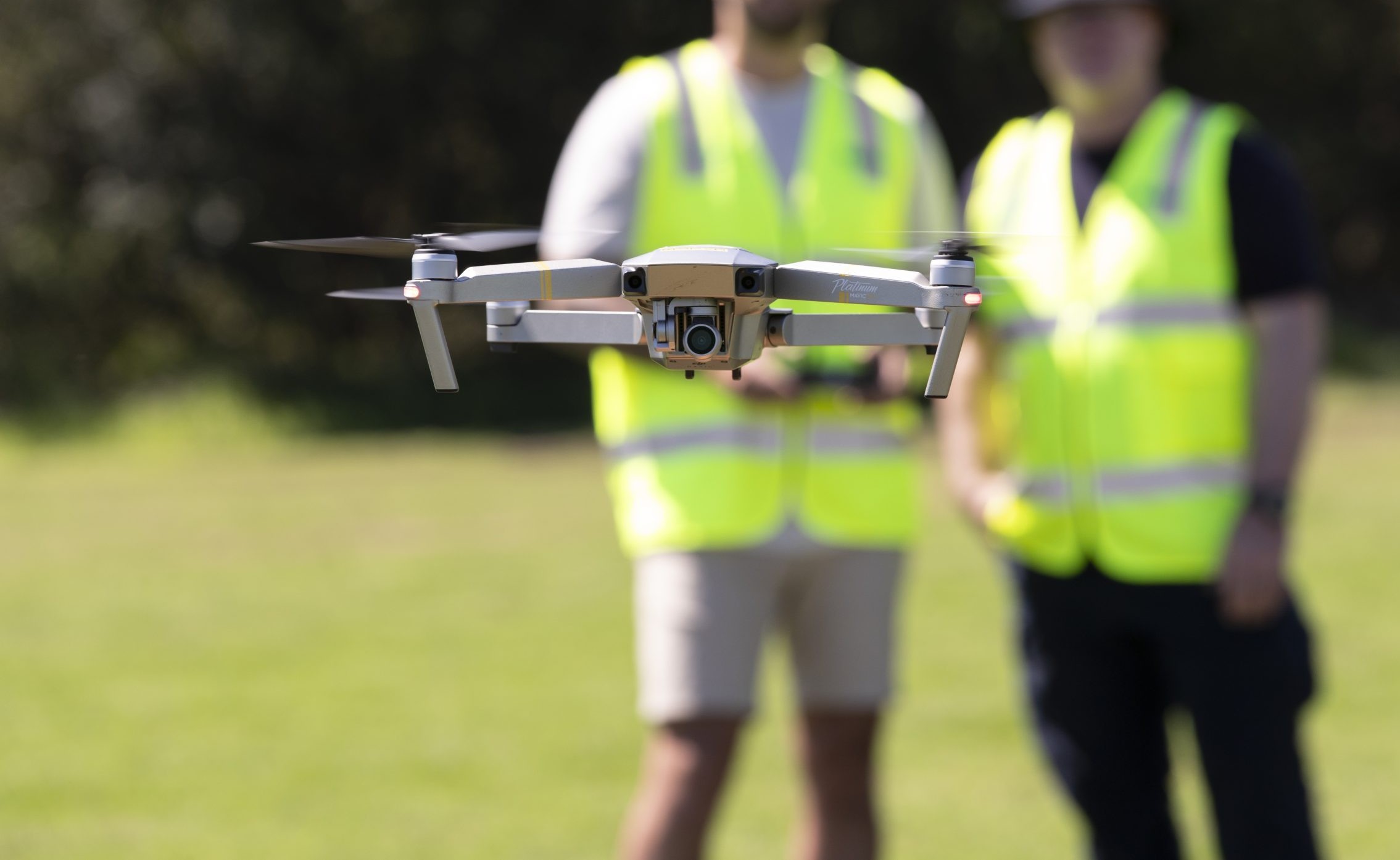
An RePL certification opens plenty of doors. Companies are always looking for qualified drone pilots for a variety of sectors, including real estate, film production, construction, agriculture, and emergency services. The certification lets you access better-paying positions and work for any ReOC holder across Australia. Most employers look for candidates who combine their technical expertise with strong organisational and communication skills.
Business growth potential with ReOC
ReOC certification paves the way to business expansion. This certificate allows you to employ multiple licensed remote pilots, so your operation can handle several projects at once. You'll also get special permissions for night flights and flights in controlled airspace that typically earn higher fees. This flexibility helps you access larger commercial projects with bigger budgets.
Professionalism and CASA compliance
Both qualifications boost your professional credibility. Being certified shows potential clients you’re dedicated to safety and regulatory compliance.
When to operate under someone else's ReOC
If you’re new to the industry, you might want to work under a well-established ReOC. This approach works best when:
You want experience before starting your own business
You fly drones occasionally rather than full-time
You want to avoid ReOC's administrative duties
Take Your Career to New Heights with ReOC and RePL Certifications at Toll Uncrewed Systems!
Drones are an emerging technology in Australia, and the licensing requirements are evolving to meet the changing needs of the industry. This can make it tricky to know which qualifications you need to kick-start your career.
If you’re unsure where to begin, get in touch with Toll Uncrewed Systems. Our instructors have decades of aviation training experience, so we can deliver courses that can help you reach your goals.
Our drone training catalogue includes RePL training and ReOC consultations that can prepare you and your business for a bright future. Contact us today to enrol in a course, or speak to our training consultants if you need help choosing the right training products for your career!