
Drone Spraying Guide
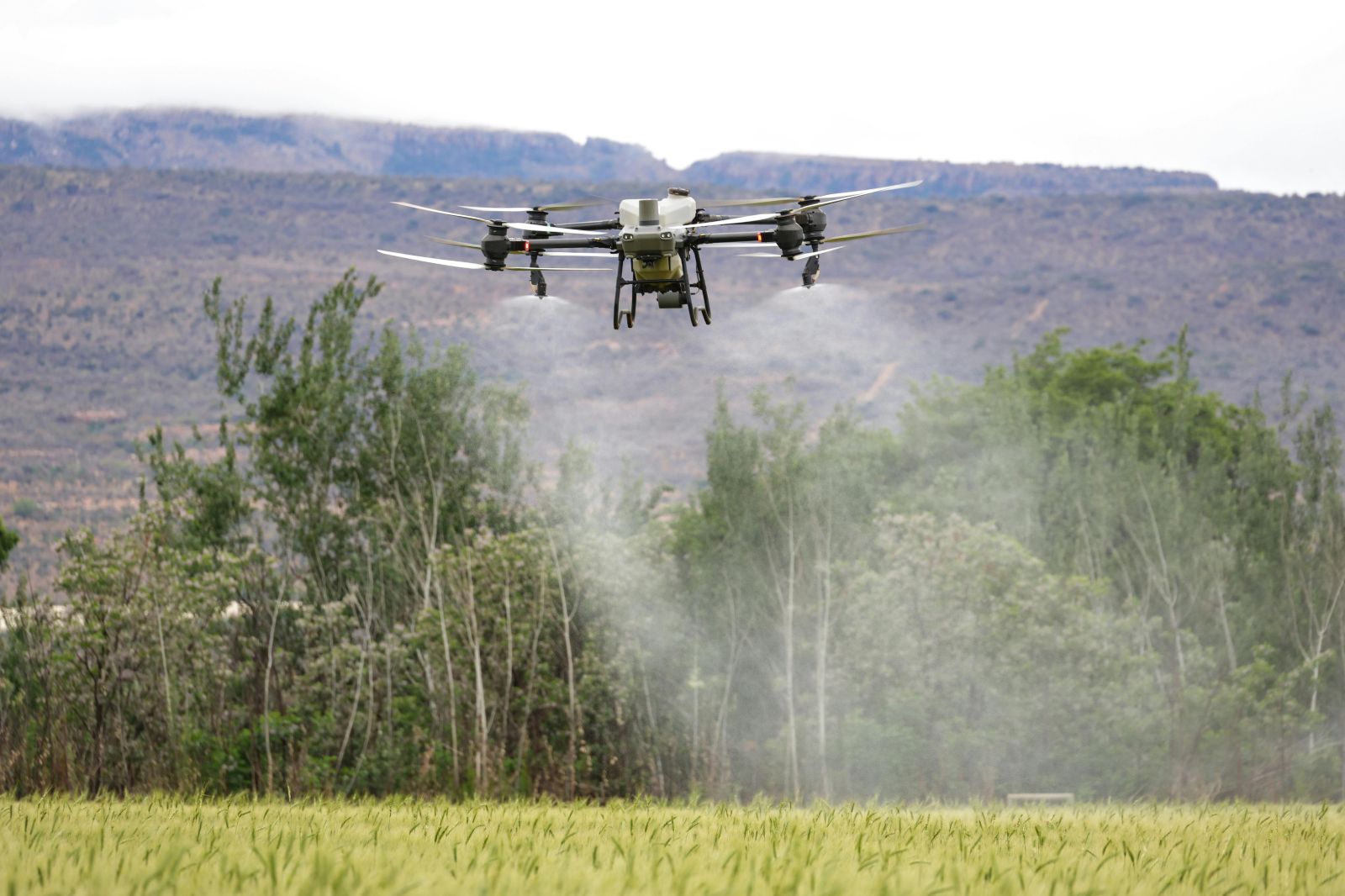
Drone spraying has changed Australian agriculture, with some farmers now able to cover up to 225 hectares of crops every day.
With more coverage comes better accuracy, since drones can spray chemicals exactly where crops need them, reducing waste. The technology works great in hard-to-reach areas and remote regions across Australia's big farmlands. Drones do all of this while reducing chemical drift and eliminating the damage heavy machines do to soil - damage that can cut crop yields by up to 50%.
We want to show you just how powerful drone spraying can be in Australia. You’ll learn about spray systems, tanks, and pumps, as well as how to navigate the regulations and pick the right equipment.
Why Drone Spraying is Changing Agriculture
Australian farmers are finding plenty of benefits to drone technology, and these specialised spraying systems now make operations work in ways that seemed impossible in the past.
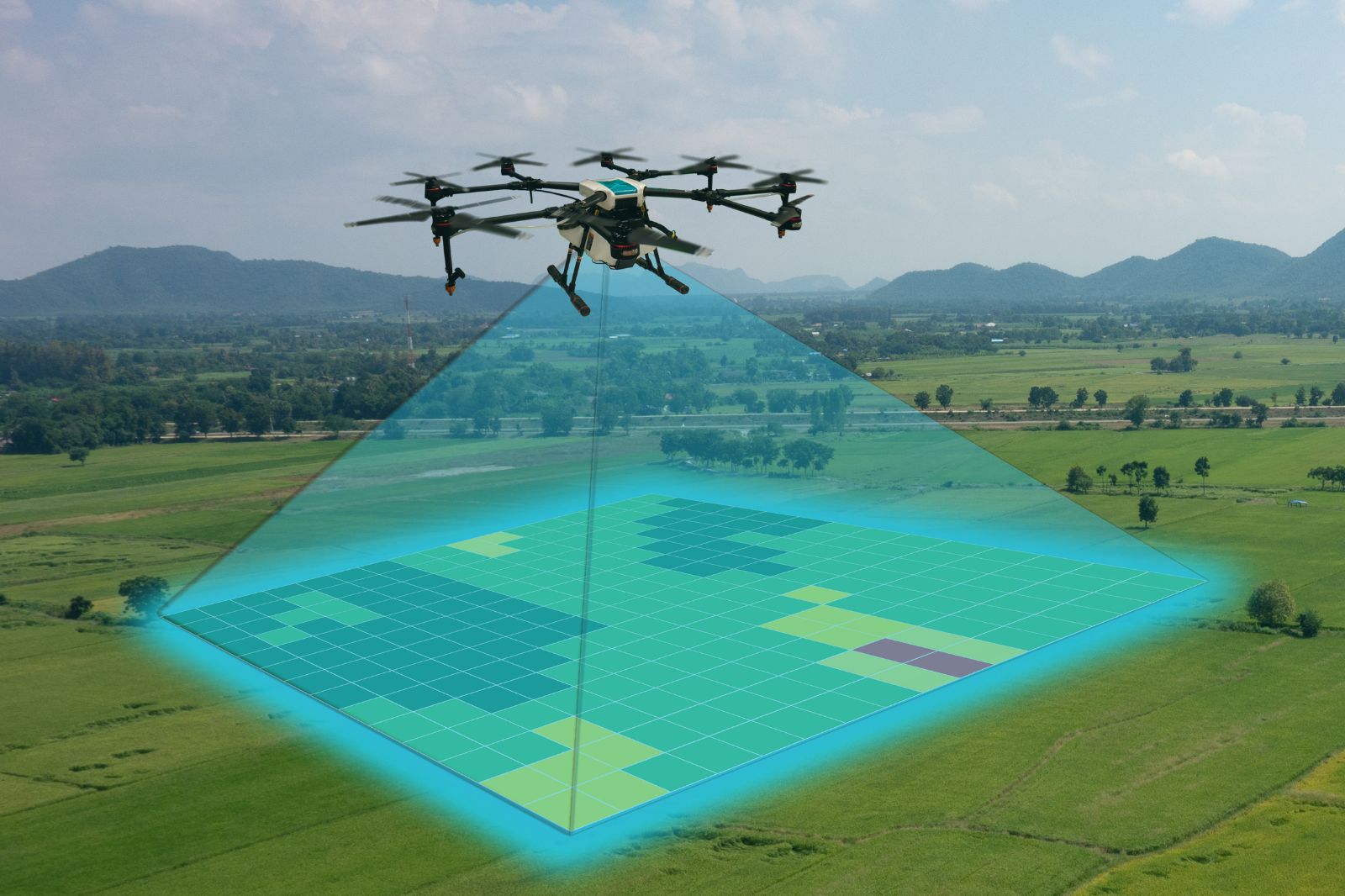
Drone spraying reduces pesticide use by 30-40% compared to traditional methods and achieves 95% application accuracy. When you see the numbers laid out so clearly, the question changes from why use drones for spraying to why not use them. These aerial systems deliver treatments precisely where needed, rather than covering entire fields. They use only 10-20 litres of water per hectare while conventional sprayers need 400-500 litres.
Drone technology cuts labour needs by 70% and uses 90% less fuel than tractors. While traditional farming equipment might manage 15-20 acres per hour, drones can cover up to 40 with remarkable speed. With tasks taking half the time, farmers will see a dramatic reduction in operating costs.
Another way drones give you a leg up over traditional machinery is when the environment starts working against you. These systems work perfectly on challenging terrains like steep slopes, rocky areas, and irregular fields. They provide farmers with solutions when access becomes an issue. Drones perform well even in waterlogged conditions, and they keep working during wet weather when tractors might get stuck or damage the soil.
Heavy machinery can slash crop yields by 50% through soil compaction. Drones, on the other hand, fly above crops, protecting the soil's structure. Protected soil allows better root growth, water absorption, and nutrient uptake.
How Drone Spraying Works
These flying sprayers deliver precision that traditional methods can't match, so let’s take a look at the technology that makes them work.
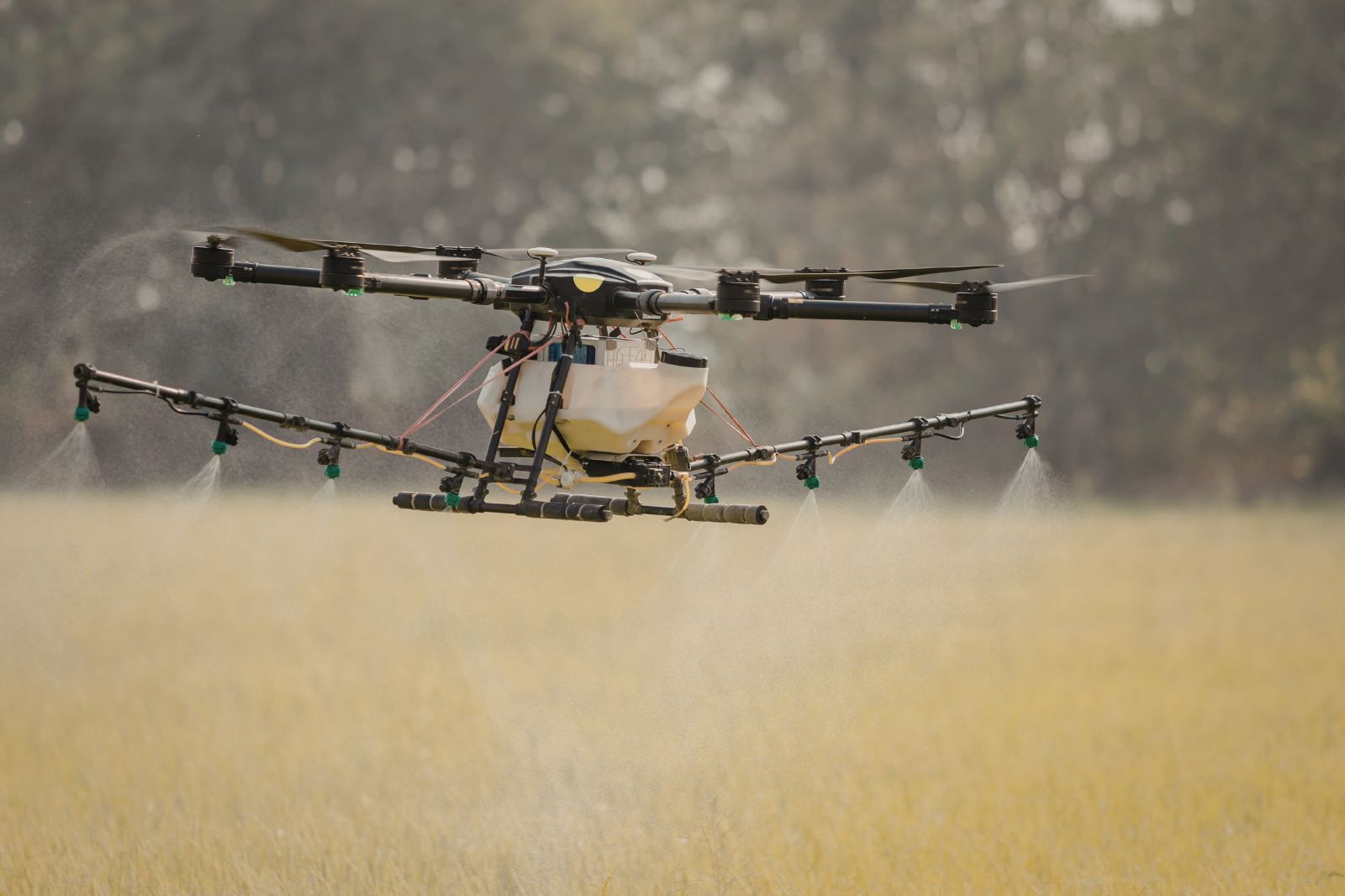
Three key elements work together at the core of every spray drone:
- Liquid storage tanks hold 10-100 litres, varying by drone model and limited by MTOW of 149.99kg
- Magnetic drive impeller pumps protect against chemical corrosion and leaks
- Smart nozzles create tiny droplets to give the best coverage
These parts ensure chemicals spread evenly across fields.
The brain of these drones is a sophisticated flight controller. It keeps the drone stable and follows exact paths down to the centimetre. GPS-enabled models talk directly to other farm equipment. This helps them identify areas that need targeted spraying rather than covering everything.
Current agricultural drones pack quite a punch. Small models can carry 40 kg, while advanced models can handle up to 100 kg although limited by the MTOW of 149.99kg Some drones can cover 20 hectares in one flight, with spray rates going from 16 L/min on basic setups to 30 L/min with high-flow systems.
These drones do more than just spray. Many come with thermal cameras that detect temperature changes, helping farmers identify pest problems, diseases, or watering issues before they’re visible to the naked eye.
In addition to liquids, these machines excel at spreading seeds and granular materials. Top models feature high-capacity 150L tanks that can spread materials at 400kg/min across 10-meter widths. Quick-change feeders work with different materials, from fertilisers to seeds, with weight sensors that track how much material remains in real time.
Regulations and Licensing in Australia
Anyone operating drone spraying equipment in Australia needs to understand the rules and regulations. CASA (Civil Aviation Safety Authority) has laid out specific guidelines that depend on your drone's weight and how you plan to use it.
CASA groups drones into four weight classes that determine which rules apply:
- Micro: 250g or less
- Very small: >250g to 2kg
- Small: >2kg to 25kg
- Medium: >25kg to 150kg
You need a Remote Pilot License to operate commercial drones weighing over 25kg, even on your property. The RePL shows you know how to safely operate specific types of drones, and you'll need to complete both theory and practical training to get one.
An ReOC allows businesses to conduct commercial drone operations outside the excluded category. You can fly within 30m of people, work at night, and request special approvals. New ReOCs last 12 months, and renewals can extend up to 3 years.
The rules are simpler for landholders who fly drones only over their property:
- For drones 2-25kg: You just need operator accreditation, not a RePL
- For drones 25-150kg: You need a RePL but not a ReOC
Remember, you can't accept payment for any services in either case.
Your agricultural spraying must stay 150m away from dwellings, schools, factories, or public places unless occupiers give written permission. Buffer zones protect sensitive areas from spray drift, and these distances change based on product risk assessments.
Want to make sure your drone spraying operation follows all the rules? Toll Uncrewed Systems runs specialised training courses that cover everything you need to know about agricultural drone regulations.
Choosing the Right Drone and Setup
Your operational efficiency and ROI depend heavily on choosing the right mix of drone size and support equipment.
The size of your farm will also determine the size of drone you need:
- Small drones (10-30L tanks): These work best for smaller farms, vineyards, or orchards where storage space is limited
- Medium drones (30-40L tanks): Built for medium to high-capacity farms, these drones help you cover up to 20 hectares per hour.
- Large drones (70-100L tanks): These models suit vast farmlands, with higher capacities that mean longer flying hours and fewer refills
Most Australian farms do well with medium-sized drones that still have great coverage while staying easy to handle.
Today's drone spraying systems use smart automation that makes precise application easier:
- Smart route planning cuts flight paths by up to 40%
- LiDAR technology creates detailed field maps
- Systems adapt on their own to field conditions, plant density, and row spacing
These features work well in fields with uneven spacing or different plant types.
Your drone should be built to handle constant chemical exposure. Here's what you need to do:
- Clean nozzles often so they don't clog
- Keep firmware up to date
- Store batteries at 40-50% charge in a cool, dry place
Not sure what drone course you need?
Call one of our training consultants who can help you determine what you need. We understand it can be confusing and our training team are ready to assist!
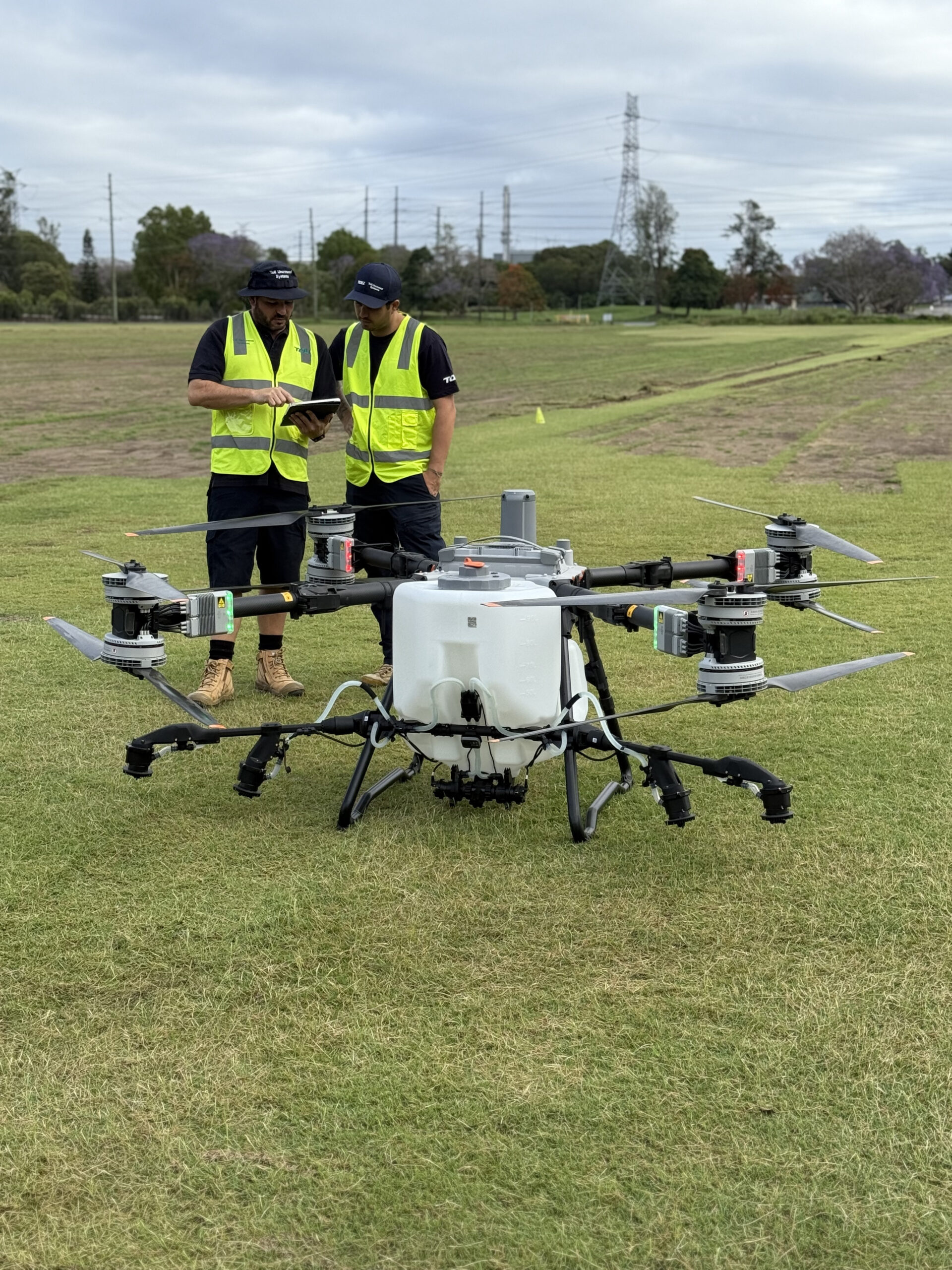
Find Out How Drone Spraying Could be the Best Solution for your Operation
Australian farmers face big challenges from climate change, worker shortages, and the need for environmentally responsible methods. Drone spraying offers a solid answer to these problems. It helps farmers do more with less while protecting the environment.
Your success with drone spraying depends on picking the right equipment for your needs. The expert team here at Toll Uncrewed Systems can help you sort through our range of agricultural drones to find the best fit for your operations. We also offer training courses to help you learn the regulations and set up best practices for your property.
Get in touch today to find out how drone spraying can make your farming better and boost your profits.