
Drone Licence Costs Explained: Training, Certification & Renewals
Thinking about getting your drone licence? It’s a smart move.
But before you take off, you’ll want a clear understanding of what it really costs.
From RePL training and CASA fees to renewals down the track, there are several key expenses to consider.
This guide breaks it all down so you can budget confidently and avoid any surprises.
If you’re ready to get started or want personalised advice, reach out to Toll Uncrewed Systems.
We’re here to guide you through every step.
Understanding the Complete Cost Structure
Initial vs. Ongoing Expenses
The upfront cost for a 5-day Remote Pilot Licence (RePL) training course with Toll Uncrewed Systems is $1,750.
This includes the CASA licence fee, so there are no hidden costs at this stage.
However, additional expenses may arise depending on your specific flying needs.
These could include equipment purchases, specialised training, or other operational requirements.
Once you’ve secured your RePL, you’ll also need to factor in ongoing costs such as licence renewals, insurance premiums, and optional refresher or advanced training courses to stay compliant and confident in the field.
Direct and Indirect Cost Factors
Direct costs account for approximately 80% of total production costs, covering operational business expenses, employee wages, and supplier contracts.
Indirect costs include organisational support expenses such as IT maintenance, asset costs, and property operating expenses.
What Happens If I Fail My Assessment?
The cost of a drone licence in Australia differs greatly between providers.
In-person training costs more than online courses because it gives you more practical experience, which, trust us, you’ll be grateful for.
Course prices vary based on their level of specialisation. Advanced courses, such as the 25kg RePL certification, usually cost more because they involve more theory to cover, require additional practical training, and incur extra CASA fees.
Group training sessions can save you money compared to private lessons, which adds another factor to consider when planning your budget.
Training Course Fees Breakdown
Training fees are the biggest cost you’ll face while getting your remote pilot licence.
A clear understanding of these costs will help you plan your drone career budget better.
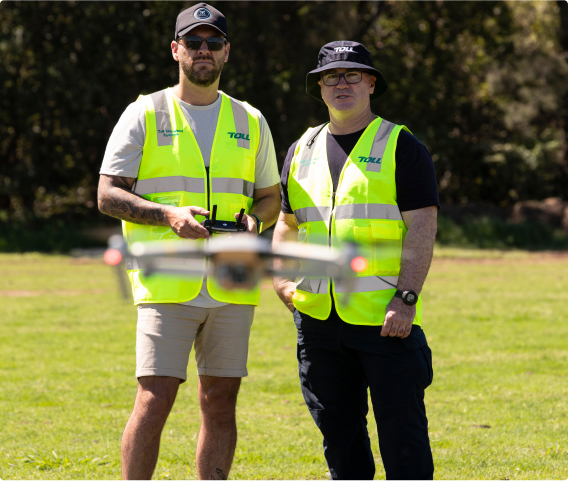
Standard RePL Course Costs ($1,500-$3,500)
Training providers offer different pricing options, meaning a remote pilot licence can cost anywhere between $1,500 and $3,000.
Experienced aviation professionals can benefit from conversion courses at lower rates.
Specialty Training Costs
You’ll need to spend more money to get valuable specialty endorsements after your basic certification.
The 25kg RePL endorsement will cost you around $1,000, while Chief Remote Pilot training comes with a price tag of around $2,300.
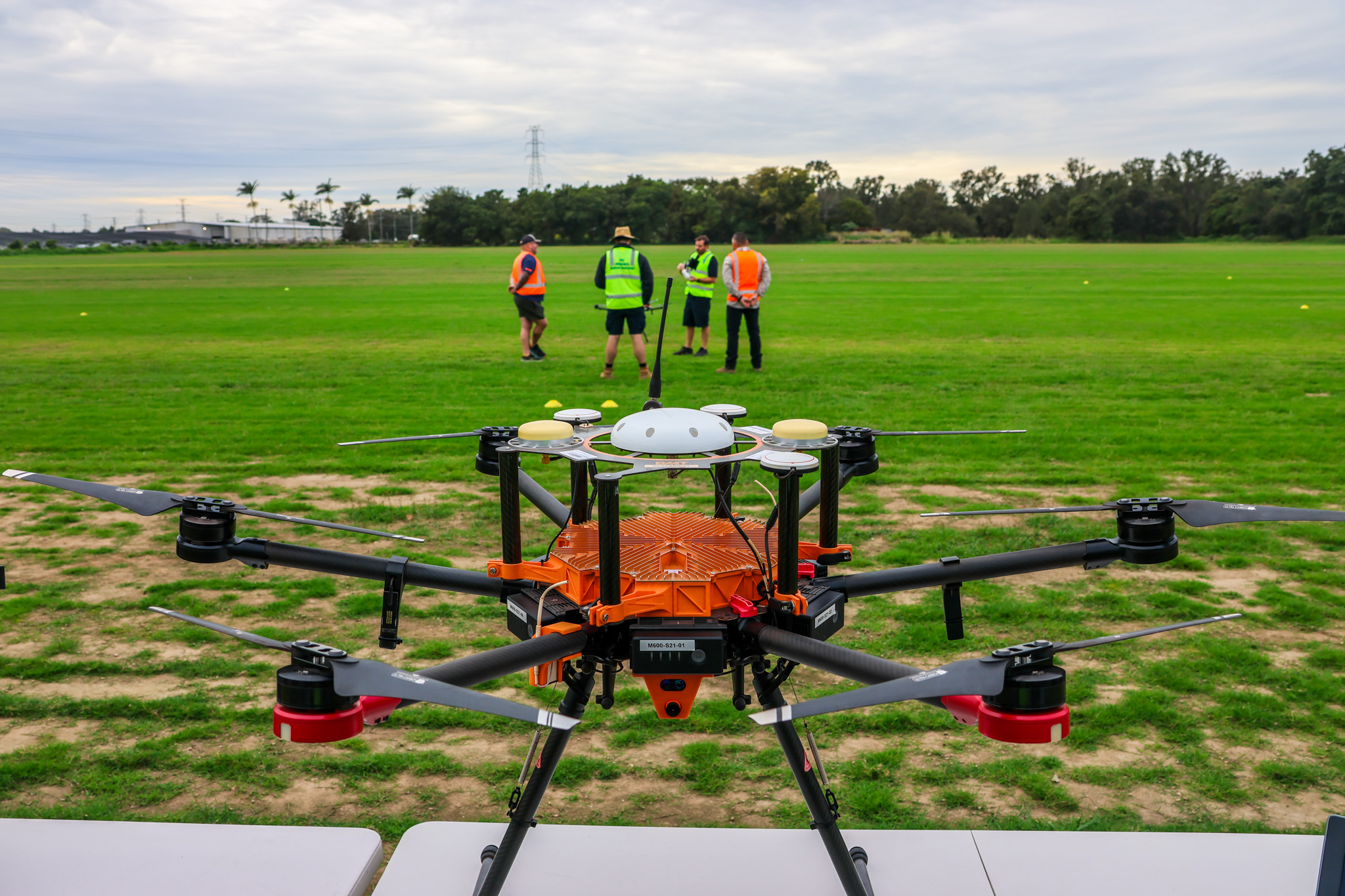
Specialty Endorsements Training costs
($800 - $3000)
Anything above Sub 25kg requires a type endorsement.
For example, T40/50 Agras, Flycart NOA, and AltaX, to name a few.
Group vs Individual Training Price Differences
Training in groups can save you money.
Organisations wanting to certify three or more people can get better rates. Individual training, on the other hand, costs more per person.
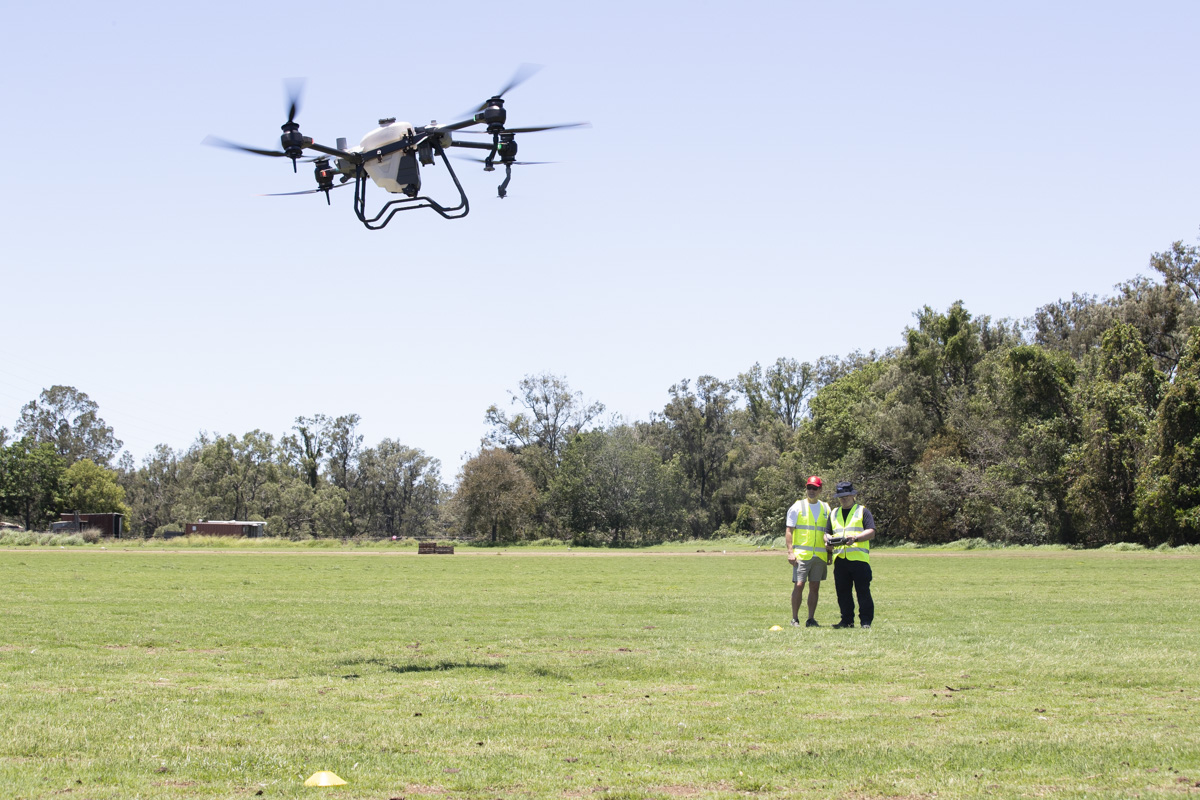
Online vs In-Person Training Cost Comparison
Drone licence courses online are typically cheaper. Face-to-face instruction requires more resources, but the benefits are unrivalled.
At Toll Uncrewed Systems, we believe that in-person training is the only way to learn. Over the course of five days, our world-class instructors take you through the theoretical and practical components of RePL training, including a minimum of five hours of flight time.
Our teaching style is hands-on and direct. We closely monitor your progress and support you through to licence completion and beyond.
Value Indicators When Comparing Training Providers
Price shouldn’t be your only consideration. Here are important factors when considering a drone licence:
- A complete certification gives you better value over time
- You must attend at least 15 hours of facilitated instruction
- You can build connections with industry professionals
Not sure what drone course you need?
Call one of our training consultants who can help you determine what you need. We understand it can be confusing and our training team are ready to assist!
CASA Certification and Processing Fees
The RePL application process includes mandatory CASA fees on top of your training costs.
These fees change depending on how complex the service is.
The CASA drone application fee schedule includes charges for registration, licenses, and operator certificates. Commercial drones require registration, with a $40 levy per drone (over 500g). Licenses and certificates also incur fees, and the cost varies depending on the specific service, with some charged at a fixed rate and others based on an hourly rate.
Your remote pilot licence training requires proper equipment, and the costs will depend on your provider’s requirements and career goals.
Training providers supply drones during your course, so you won’t need to buy one right away. This helps you save money while you learn. Some courses give students discounted equipment packages to practise between sessions.
The DJI Mini 4 and the feature-rich DJI Air 3S are excellent choices for beginners who want their own drone. New pilots should look for drones that offer at least 40-minute flight times, GPS functionality, and altitude hold capabilities.
Your drone setup needs these vital accessories:
- Extra batteries that extend your flight time
- Propeller replacements since they often get damaged
- Carrying case or backpack to keep your equipment safe
- Memory cards for your footage
Drone insurance covers liability if your drone causes accidents or damage during training. Standard policies might need extra coverage for privacy invasion or data liability protection. Check if your provider’s insurance covers student pilots or if you need personal coverage during training.
Ongoing Licence Maintenance Costs
Getting your remote pilot licence comes with recurring expenses that affect how much your drone operations will cost in the long run.
Renewal Fees and Frequency
Your drone needs yearly registration. For recreational drone registration renewal, there is no fee if the drone weighs 500g or less.
However, if the drone weighs more than 500g, a $40 annual registration levy applies. Commercial drone registration costs between $40 per drone.
You need to renew your pilot accreditation every 3 years, while drone registration happens yearly. These fees add up quickly when you operate multiple drones.
Recurrent Training Requirements and Costs
CASA doesn’t require specific ongoing training.
However, commercial operators need to stay updated with current regulations.
Most pilots take refresher courses every 1-2 years. This helps them maintain their skills and keep abreast of the latest rules and regulations.
Logbook and Documentation Expenses
Commercial drone operations require proper record-keeping.
Digital logbooks come in various options. Free simple versions are available, while premium services cost about $100 per quarter or $400 yearly.
Some companies offer monthly plans.
Professional Association Membership Benefits and Fees
Professional associations are a great way to get networking opportunities and advocacy support.
The Australian Association for Uncrewed Systems (AAUS) charges $133 for individual members. AUVSI membership starts at $150 per year.
Members often get insurance discounts, free advertising, event access, and industry representation.
Commercial Operation Additional Costs
A Remote Operator’s Certificate (ReOC) comes with significant costs beyond simple licensing when you start commercial drone operations.
ReOC allows you to provide commercial drone services after approval. The process can take up to 20 business days based on how complex your operation is. Industry delegates can issue ReOCs if you plan simple aerial operations with drones under 150kg. This option might save you money.
Several key factors affect your commercial drone insurance costs:
- Drone specifications: Your premiums go up with larger, heavier drones.
- Usage type: Commercial operations need higher insurance coverage than recreational flights.
- Pilot experience: A safe flying record helps lower your costs.
- Location: Flying in urban areas leads to higher premiums due to increased risks.
Australian operators typically pay annual insurance premiums between $760 and $1,150 for coverage up to $1.5 million.
You’ll likely need new equipment as regulations and technology change. The good news is drones qualify for tax depreciation. Rotary wing drones have a 2-year effective life with a 100% diminishing value rate. Fixed-wing drones depreciate over 3 years at 66.67%.
Commercial drone operations demand robust systems to ensure safety, consistency, and legal compliance.
That’s where Flight Management Systems (FMS) like AVCRM and FlyFreely come in. These platforms help drone operators:
- Manage aircraft and pilots through centralised records and digital logbooks.
- Plan and log flights with automated airspace checks and compliance workflows.
- Assess risk and maintain documentation for insurance and regulatory purposes.
- Ensure operational compliance with CASA requirements and internal safety protocols.
Whether you're flying one drone or managing an entire fleet, these systems save time, reduce human error, and keep you audit-ready. Subscription costs vary depending on your operation size, but many businesses find them essential for staying compliant and scaling sustainably.
Funding Options and Cost Recovery
Getting your remote pilot licence needs a good amount of money, but you have several ways to cut costs and make the most of your investment.
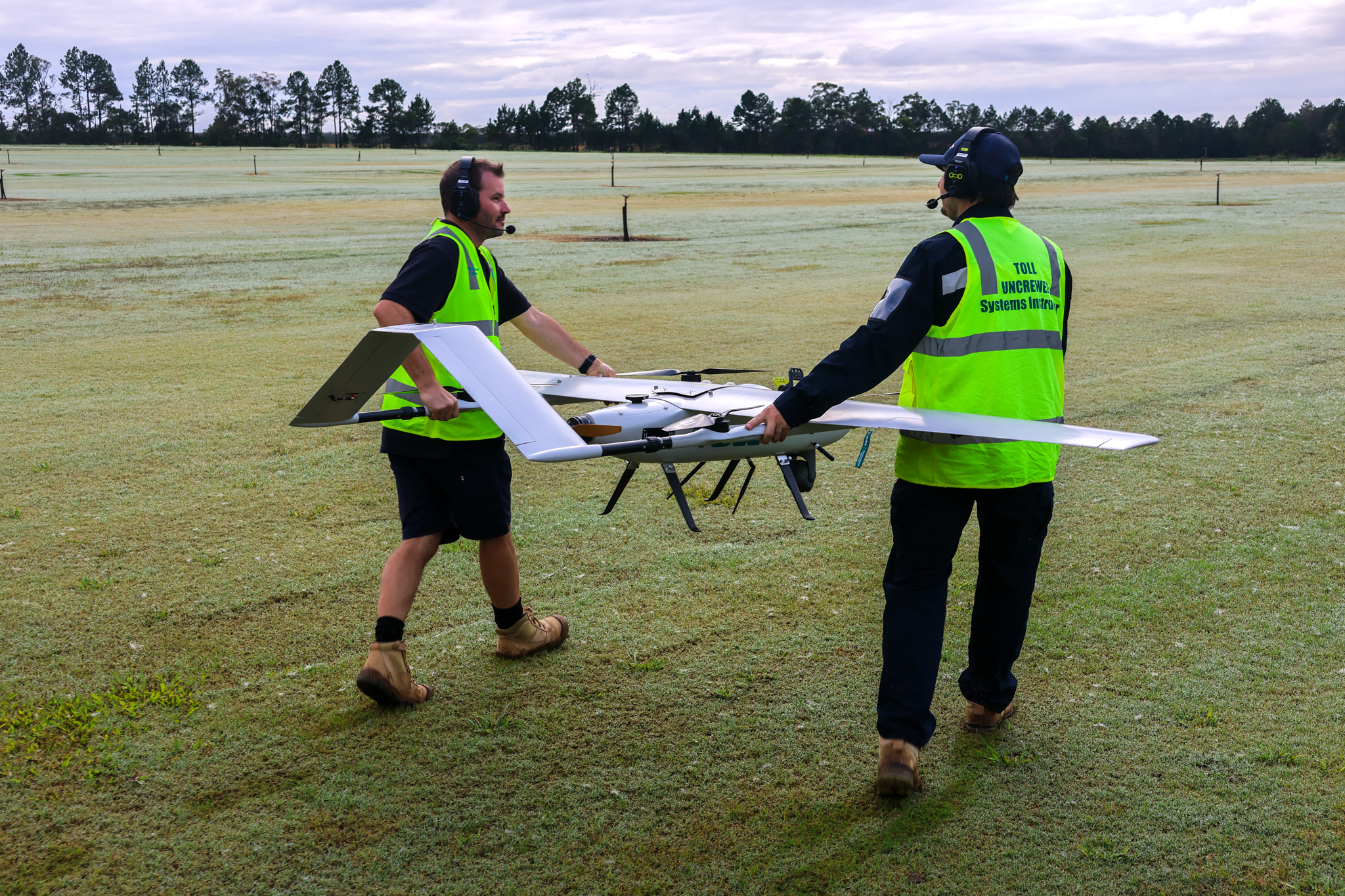
Tax Deductions for Professional Drone Pilots
Drone pilots can claim many tax benefits. Business-only drone lease costs qualify for full tax deductions. If you buy your equipment, you can claim depreciation.
Rotary wing drones depreciate in just 2 years. You can also claim deductions for licence renewals, work trips, medical checks, and even special moisturisers that help with dry cabin air.
Industry Grants and Subsidies
Australian government programs support new ideas in drone technology. The Emerging Aviation Technology Partnership Program has set aside $30.5 million in two grant rounds until 2026.
These grants focus on regional areas and support everything from digital farming to First Nations community projects. NT Local Jobs Fund gives extra support to Northern Territory businesses for their drone operations.
Return on Investment Timelines
ROI goes way beyond simple cost comparisons. You need to set clear goals first: lower maintenance costs, better efficiency, or improved safety.
Next, record both your program costs and the costs of potential alternatives. Pick a realistic timeframe to measure returns (e.g., 1 or 4 years).
Financing Options for Training
You don’t have to pay everything upfront. Many training schools offer payment plans with no credit checks. Drone leasing packages let you spread costs over months or years.
Some deals even let you sell back at the end of your lease, which is perfect if you’re not sure about long-term value.
CASA Certification and Processing Fees
The RePL application process includes mandatory CASA fees on top of your training costs.
These fees change depending on how complex the service is.
Current CASA Application Fee Schedule
The CASA drone application fee schedule includes charges for registration, licenses, and operator certificates.
Commercial drones require registration, with a $40 levy per drone (over 500g).
Licenses and certificates also incur fees, and the cost varies depending on the specific service, with some charged at a fixed rate and others based on an hourly rate.
Equipment Costs for Training and Assessment
Your remote pilot licence training requires proper equipment, and the costs will depend on your provider’s requirements and career goals.
Do You Need Your Own Drone?
Training providers supply drones during your course, so you won’t need to buy one right away. This helps you save money while you learn. Some courses give students discounted equipment packages to practise between sessions.
Recommended Equipment for New Pilots
The DJI Mini 4 and the feature-rich DJI Air 3S are excellent choices for beginners who want their own drone. New pilots should look for drones that offer at least 40-minute flight times, GPS functionality, and altitude hold capabilities.
Essential Accessories and Their Costs
Your drone setup needs these vital accessories:
- Extra batteries that extend your flight time
- Propeller replacements since they often get damaged
- Carrying case or backpack to keep your equipment safe
- Memory cards for your footage
Insurance Considerations During Training
Drone insurance covers liability if your drone causes accidents or damage during training. Standard policies might need extra coverage for privacy invasion or data liability protection. Check if your provider’s insurance covers student pilots or if you need personal coverage during training.
Hidden and Unexpected Expenses
Getting your remote pilot licence comes with several unexpected costs that catch new pilots off guard.
The standard training and certification fees are just the beginning. These hidden expenses can substantially affect your budget.
Getting your remote pilot licence comes with several unexpected costs that catch new pilots off guard. The standard training and certification fees are just the beginning. These hidden expenses can substantially affect your budget.
Your training location might be far from home, so you’ll need money for transportation, accommodation, and daily meals. Many providers ask clients to pay all travel expenses.
Some training providers will make you pay retesting fees if you don’t reach the pass mark. Toll Uncrewed Systems prides itself on having a high pass rate as our industry-leading instructors will help you every step of the way.
Study materials cost anywhere from free online resources to comprehensive programs. These materials help candidates pass their exams successfully, especially when you have specialised certifications to complete.
The certification process demands at least 15-25 hours of study time. This time commitment can mean lost income opportunities, especially if you’re switching careers.